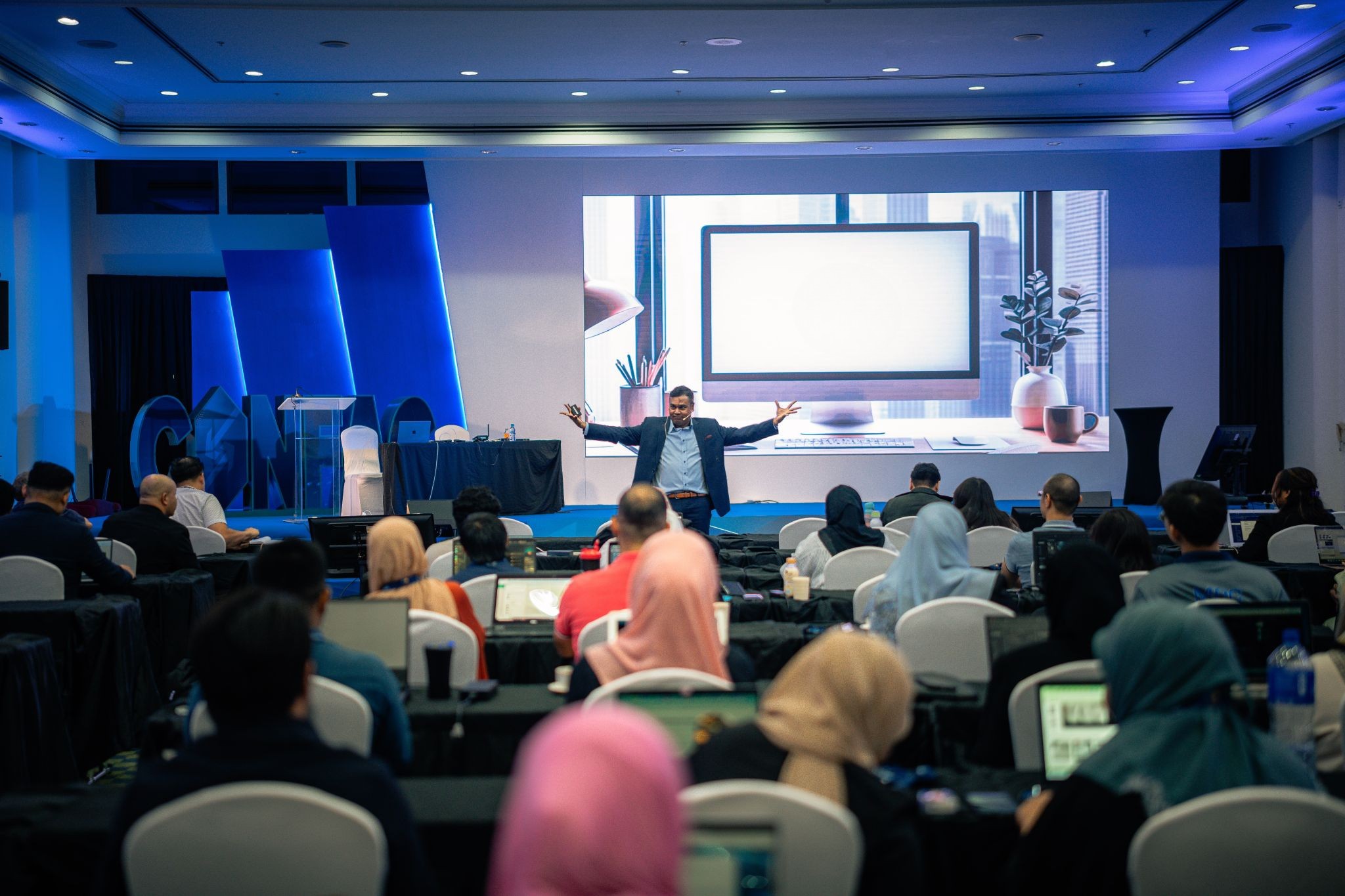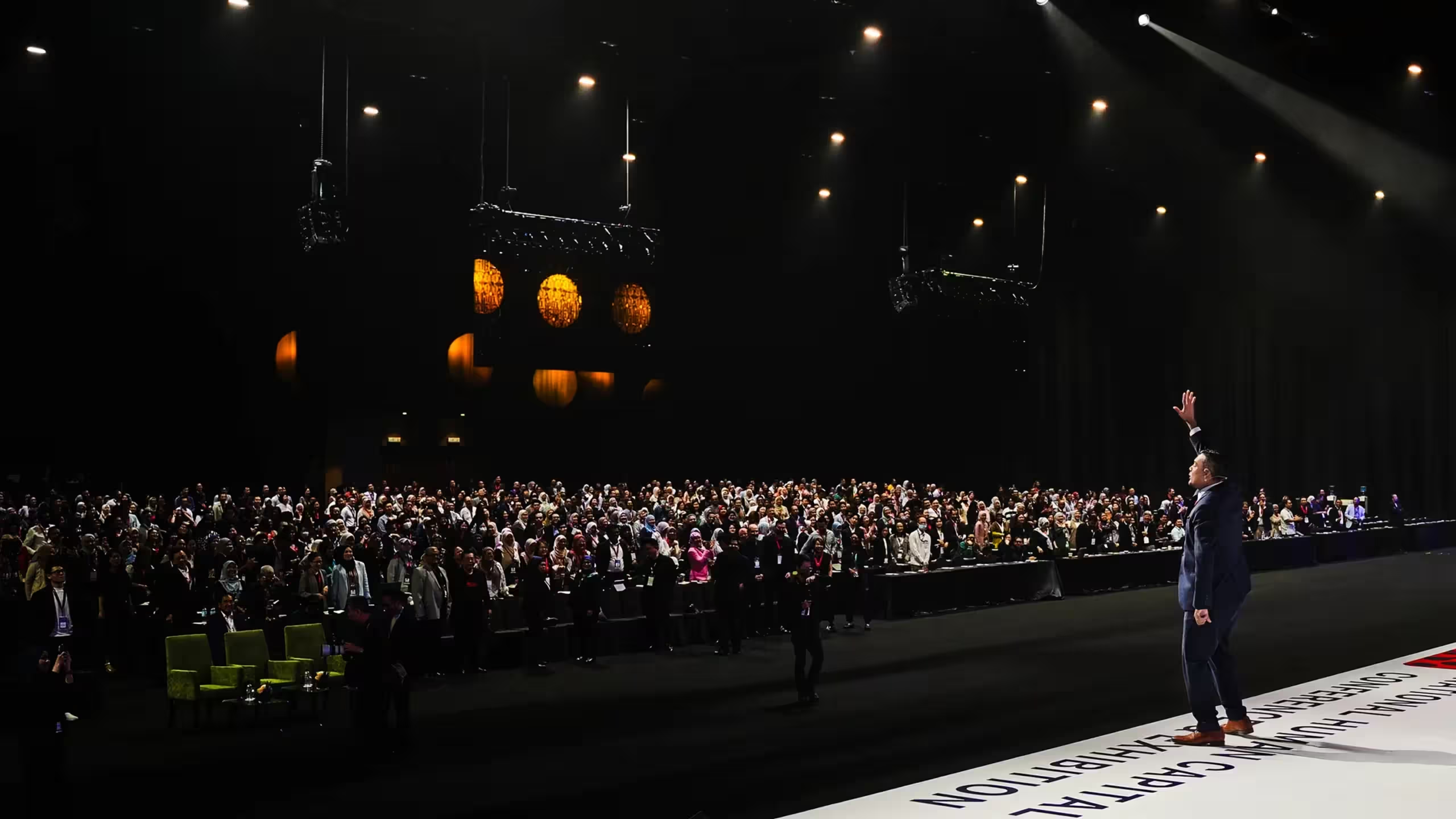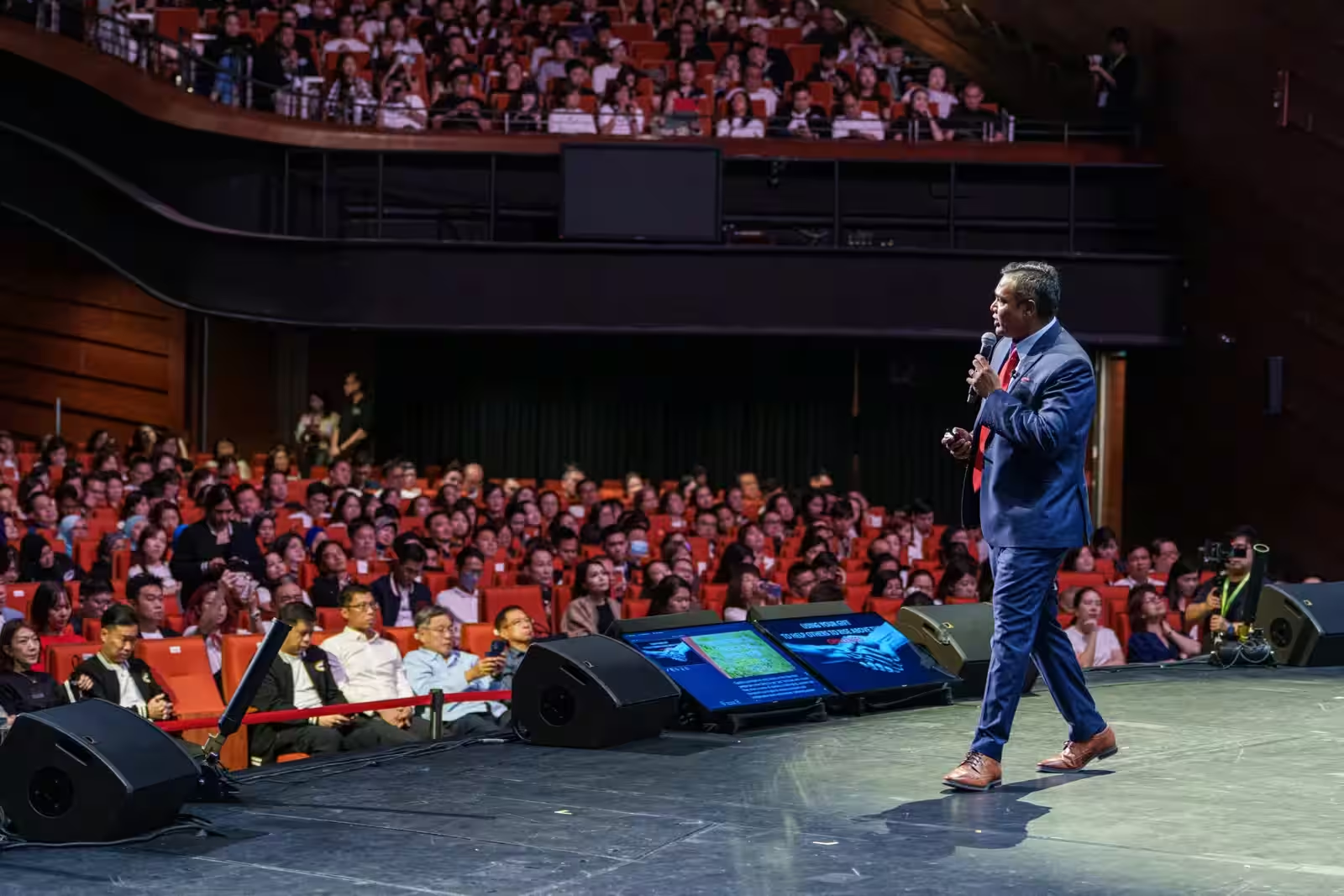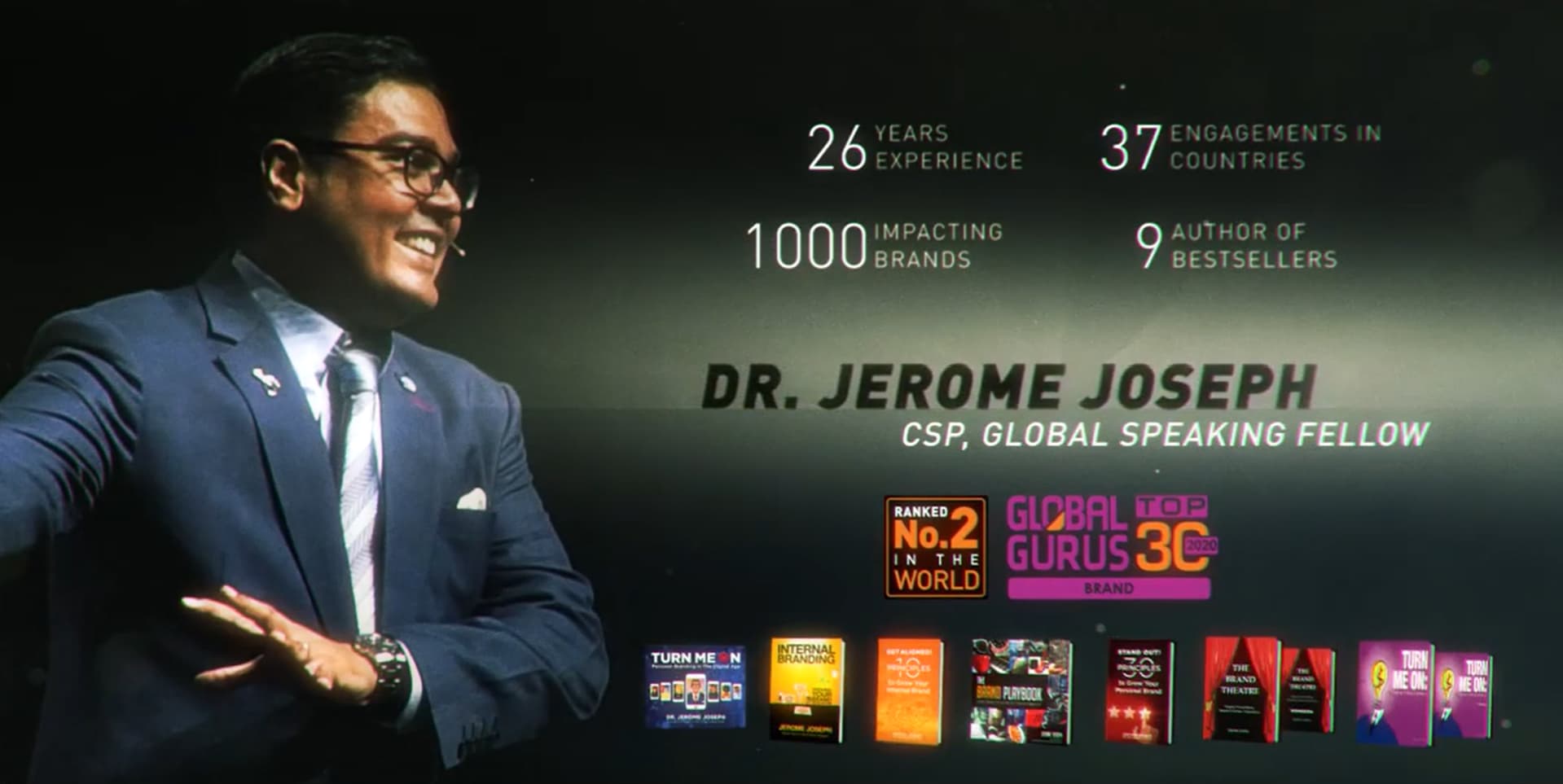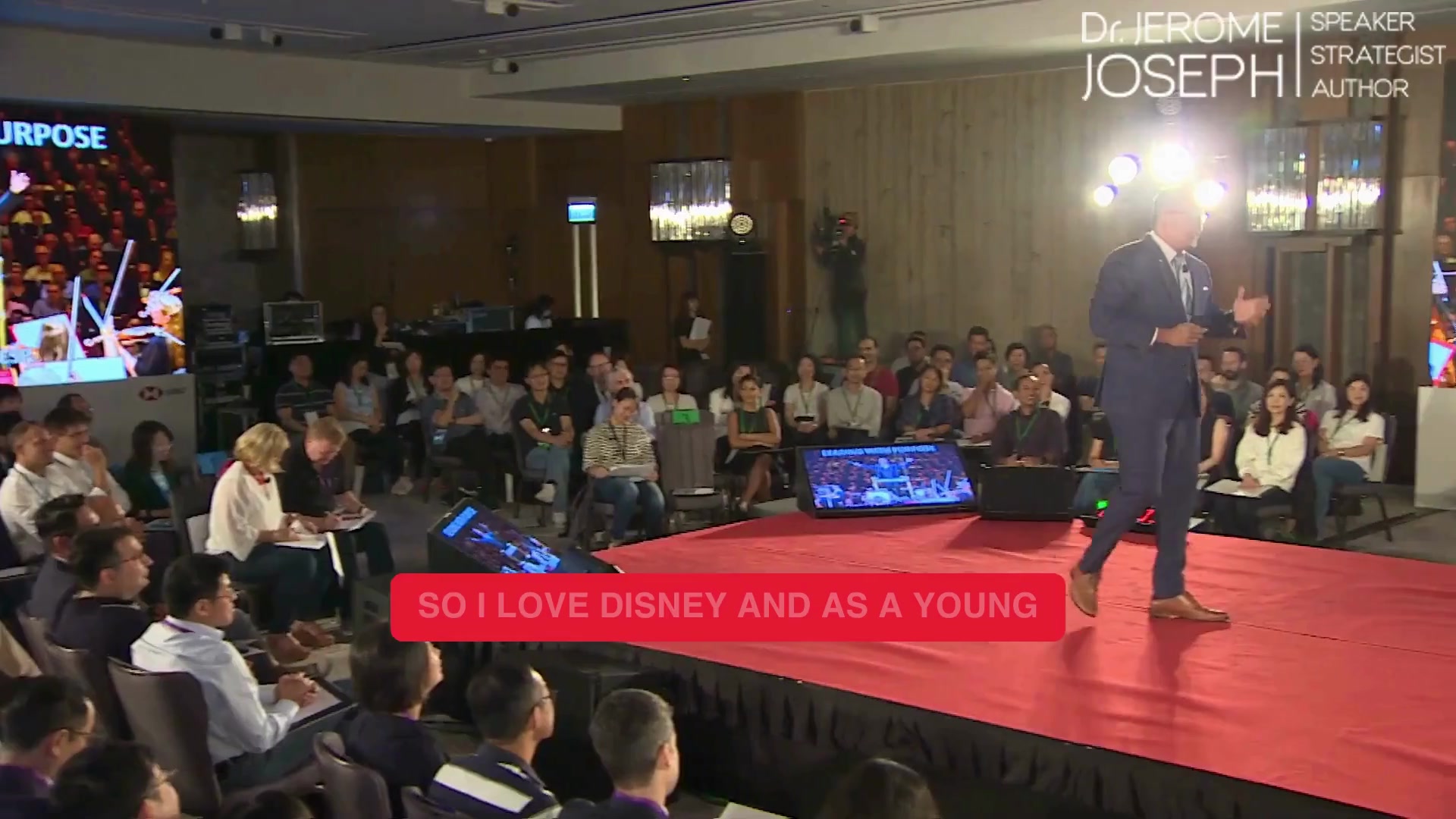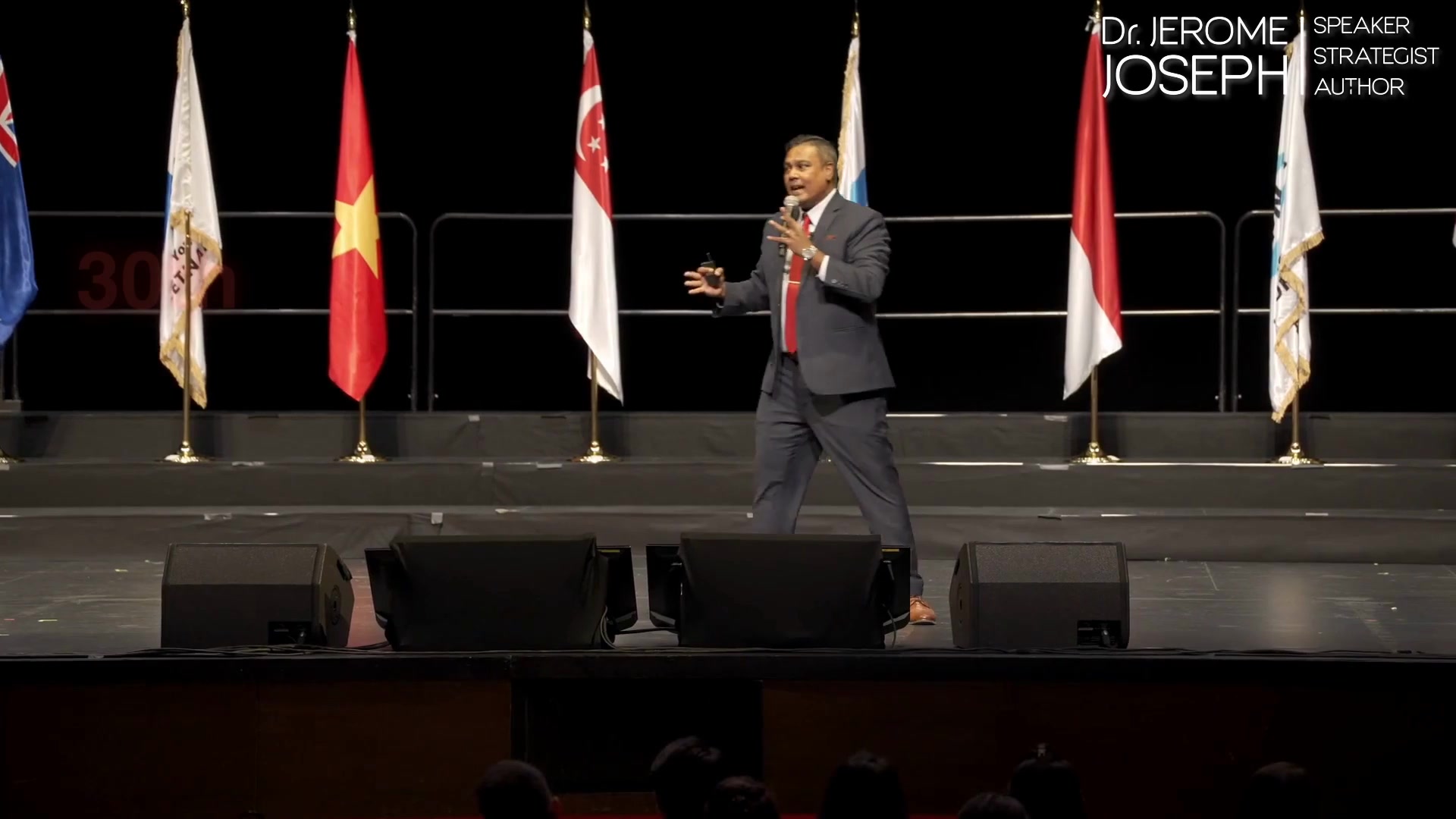















































I have delivered a considerable number of AI keynotes over the past few years. I have also sat in the audience for a great many more.
And from both seats the stage and the third row I keep noticing the same thing:
The audience leaves impressed and unchanged.
They have seen the demonstrations. They have heard the statistics. They have been told, once again, that everything is about to be disrupted beyond recognition. And then Monday morning arrives, and absolutely nothing is different.
That is not an AI problem. That is a translation problem and right now it is quietly the most expensive gap inside most organisations.
The Two Rooms Problem
Every organisation of any size has two rooms.
Room One contains the people who genuinely understand the technology. They sit in engineering, data science, or IT. They can tell you what a model actually does, precisely where it fails, and what responsible deployment would genuinely cost in time and risk.
Room Two contains the people who make the decisions. They control budget, direction, and appetite for risk. And most of them quite reasonably, given how fast this field moves do not understand the technology well enough to commit with confidence.
Between those two rooms sits a gap.
And into that gap falls almost every AI initiative that quietly dies around month nine, without anyone ever announcing the funeral.
What the Gap Actually Costs
Symptom | What It Looks Like | Root Cause |
|---|---|---|
Pilot purgatory | Three successful pilots, none scaled | Nobody senior owns the decision to commit |
Shadow adoption | Staff using AI tools nobody approved | Official process too slow to be useful |
Expensive theatre | A visible AI project with no P&L impact | Chosen for optics, not for value |
Quiet abandonment | Budget renewed, then quietly reallocated | Leadership never actually believed in it |
Capability without change | Tools deployed, behaviour identical | Incentives still reward the old process |
Look carefully at that right-hand column. Not one of those root causes is technical.
Why Most AI Keynotes Fail to Close It

If the gap is organisational rather than technical, then a talk aimed at explaining the technology was never going to close it. Here is where most AI keynotes go wrong.
1. They aim at awe
Awe is a terrible outcome. It feels like success in the room the applause is loud, the LinkedIn posts are enthusiastic and it wears off in roughly four days. Awe changes nothing because it produces feeling rather than judgment.
2. They are calibrated wrong
Either the room is lost by slide six, drowning in architecture diagrams they will never need, or they are being told things they read in the financial press eighteen months ago. Very few speakers land in the space between condescension and incomprehensibility.
3. They ignore organisational reality
The barrier to AI adoption in most companies is not the model. It is culture, incentives, fear, and a leadership team that has never genuinely agreed on what they are trying to achieve. Any talk that treats adoption as a technical exercise is describing a company that does not exist.
4. They leave no decision framework
Audiences do not need to know how transformers work. They need to know what to do on Tuesday, what to stop doing immediately, and how to distinguish a real opportunity from an expensive distraction dressed up in a good deck.
This is the same pattern I have watched play out in brand work for three decades. The technology changes; the reason initiatives fail does not. It is almost always what an organisation actually believes, rather than what it can technically do.

.webp)