The Meeting You Never Knew You Lost
In my 30 years of building brands across 40 countries, I have watched the buying journey shift maybe four or five times. Print to digital. Digital to social. Social to search. Each shift was loud. You could see it happening. This one is quiet, and that is what makes it dangerous.
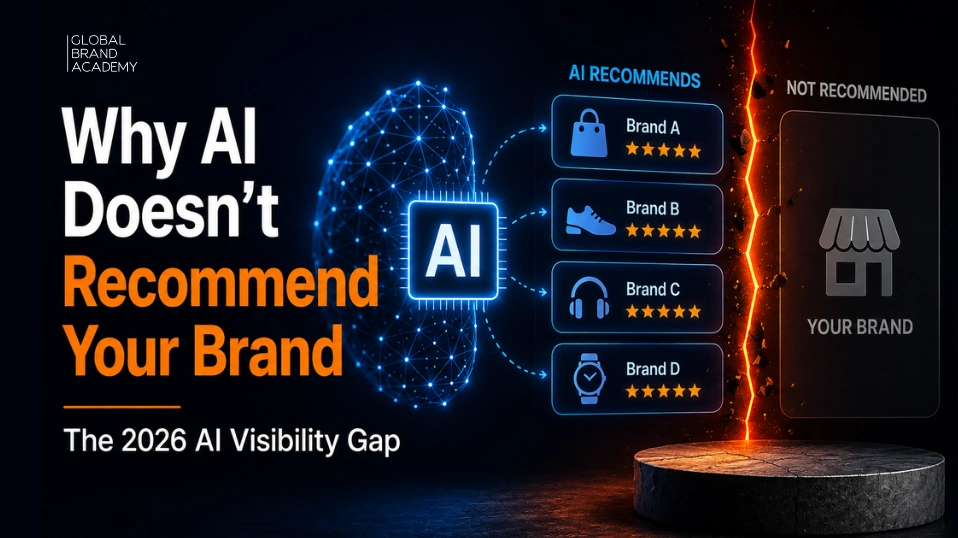
Somewhere this week, a Head of Learning and Development typed a question into ChatGPT. Something like "who are the best brand strategy speakers for a leadership summit in Asia." Ten seconds later she had three names, a short reason for each, and enough confidence to walk into a planning meeting.
Your brand was either one of those three names, or it did not exist. There was no impression. No click. No bounce rate. Nothing in your analytics dashboard told you the conversation happened. You did not lose the pitch, because you were never in the room where the pitch was decided.
The old question was whether your website ranks. The new question is whether the machine doing the research decides you are worth naming at all.
The Shortlist Is Now Built Without You
This is not a prediction. The behaviour has already hardened into habit.
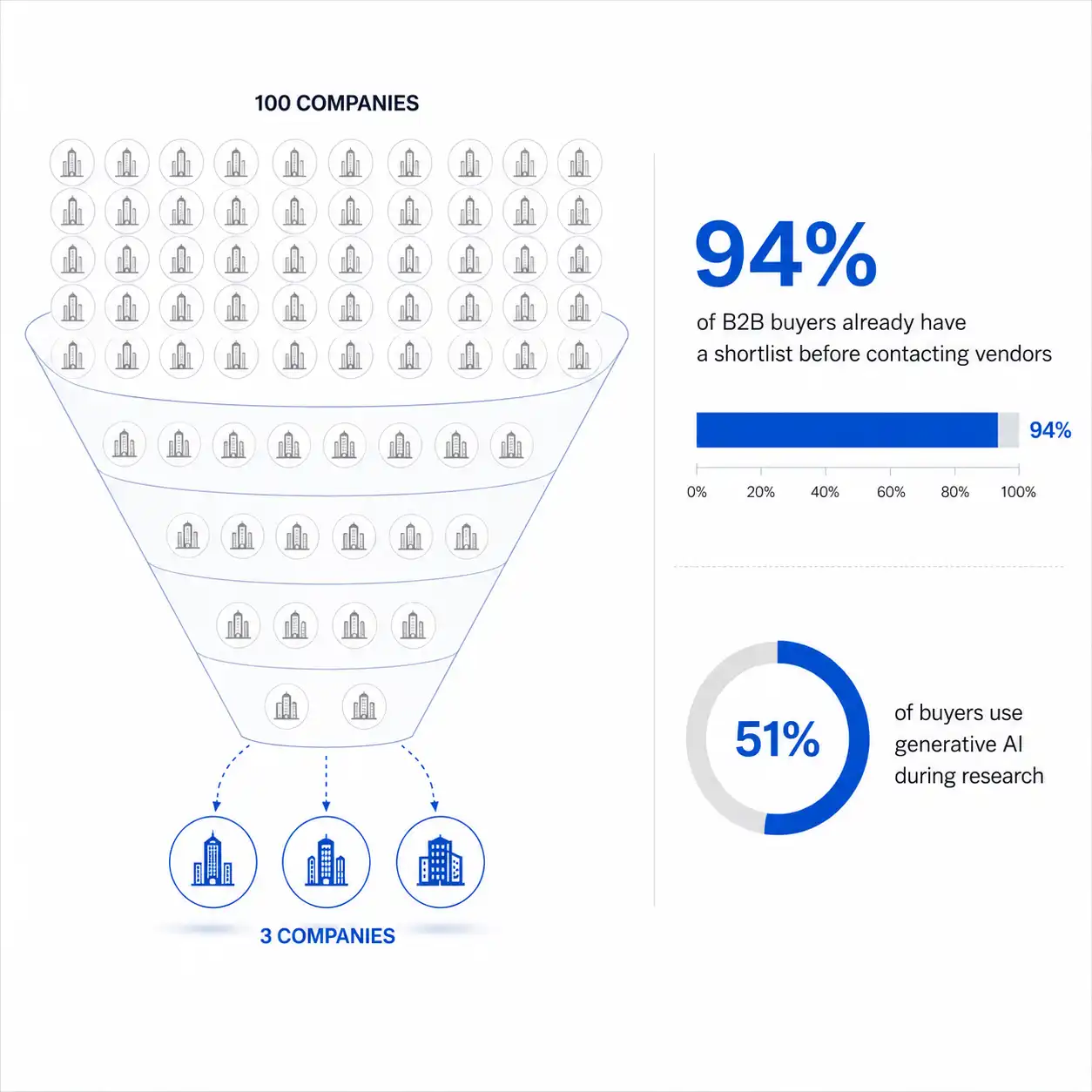
Forrester's 2026 Buyers' Journey Survey of nearly 18,000 global business buyers found that 94 percent used AI during their most recent purchase, with 55 percent comparing vendors inside AI tools and 47 percent building internal business cases before any vendor contact. G2's April 2026 research found that 51 percent of B2B software buyers now begin their purchasing process inside an AI chatbot rather than a traditional search engine, and that 69 percent of buyers chose a different vendor than they had planned because of what a chatbot recommended.
Read that last number again. Sixty nine percent changed their mind because of a machine.
A Semrush survey of 519 US B2B professionals conducted in March and April 2026 found that 92 percent said AI had shaped their vendor shortlist, with 45 percent saying it did so significantly, and only 7 percent said they noticed a vendor in an AI response because they recognised the name.
That final statistic is the one that should keep marketing leaders awake. Brand recognition, the thing most organisations spend two decades and enormous budgets building, barely registers at the moment of shortlisting. The machine is not impressed by your logo. It is looking for something else entirely, and most brands have never bothered to learn what.
I explore this shift in more depth in my piece on how AI is changing the world of branding, because the implications go far beyond marketing teams.
The Numbers Behind the Gap
Here is what the 2026 research shows when you put it side by side.

What the data measures | The 2026 number | Why it matters to you |
|---|---|---|
Brands with a defined AI visibility strategy | 14 percent | Almost nobody is defending this ground yet |
Average vendor shortlist size | Around 2.5 names, down from 3.2 | Fewer seats, higher stakes |
Buyers who notice a vendor because they recognise the name | 7 percent | Brand recognition barely counts at shortlist stage |
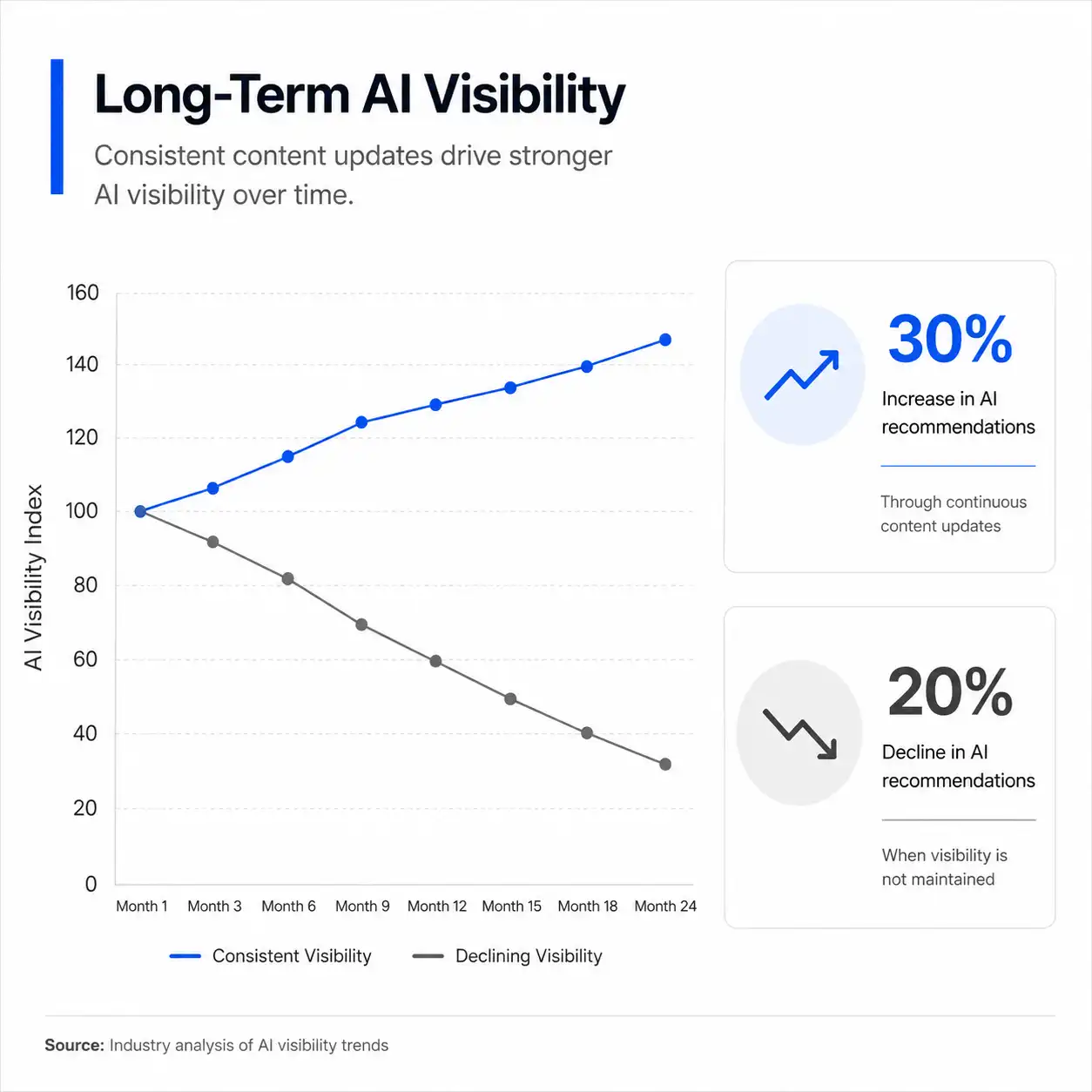
Branded search lift after being cited in AI Overviews | 23 percent in 30 days | Visibility compounds once you break through |
Buyers who say generative AI is their most meaningful research source | Twice as many as any other source | AI now outranks your website and your sales team |
The 14 percent figure comes from a 2026 tracker that ran 8,400 commercial prompts across ChatGPT, Perplexity, Gemini and Claude, which also found that brands cited in AI Overviews saw a 23 percent lift in branded search over the following 30 days. Meanwhile the average shortlist has contracted to roughly 2.5 vendors, down from 3.2 a few years earlier.
Fewer seats at the table, and 86 percent of brands are not even trying to claim one. That combination is the single largest open opportunity I have seen in branding since the arrival of social media.