





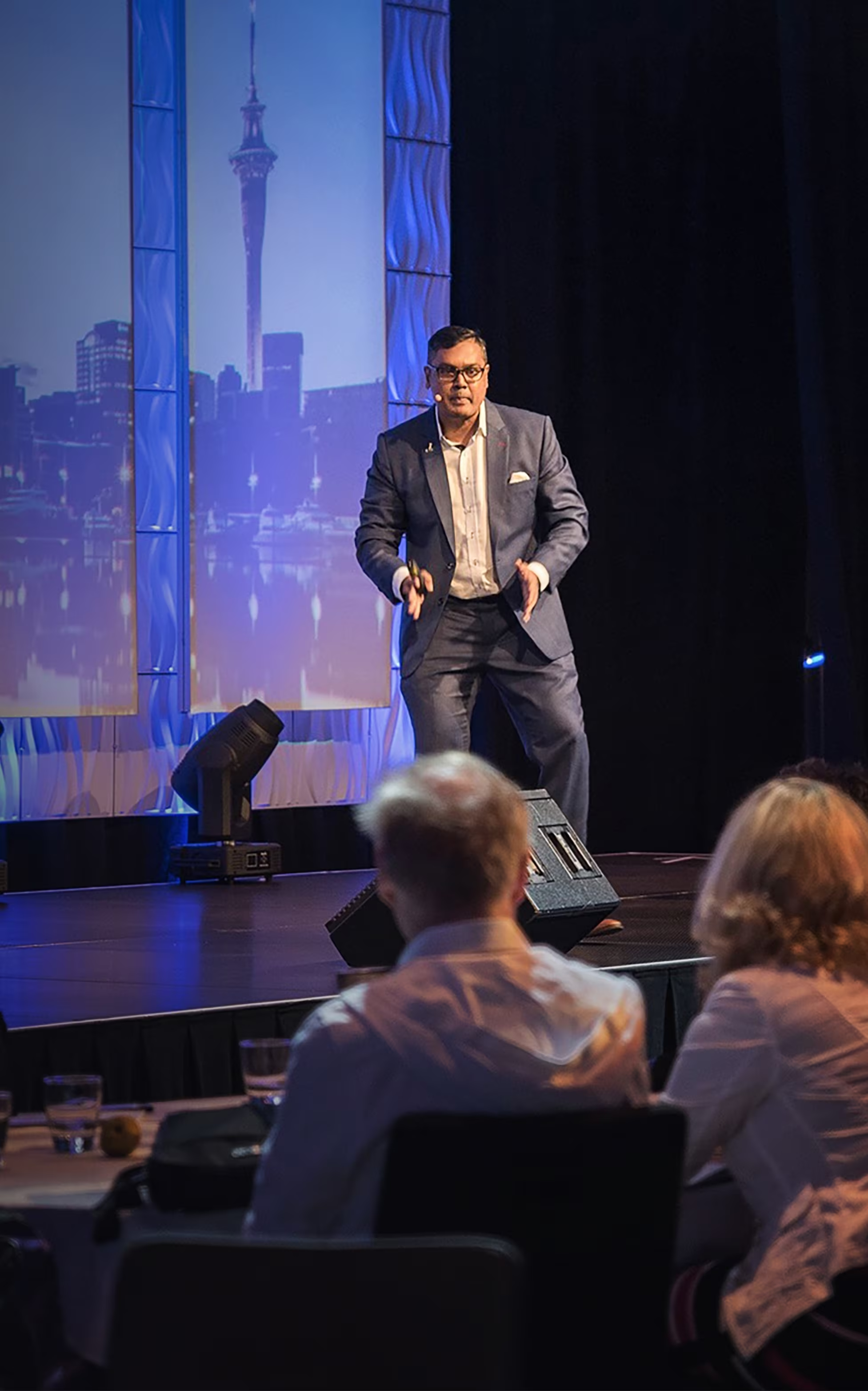


Personal Branding Coach for Executives, Leaders and Sales Professionals
You are the brand. Let's make it powerful, visible, and unforgettable.


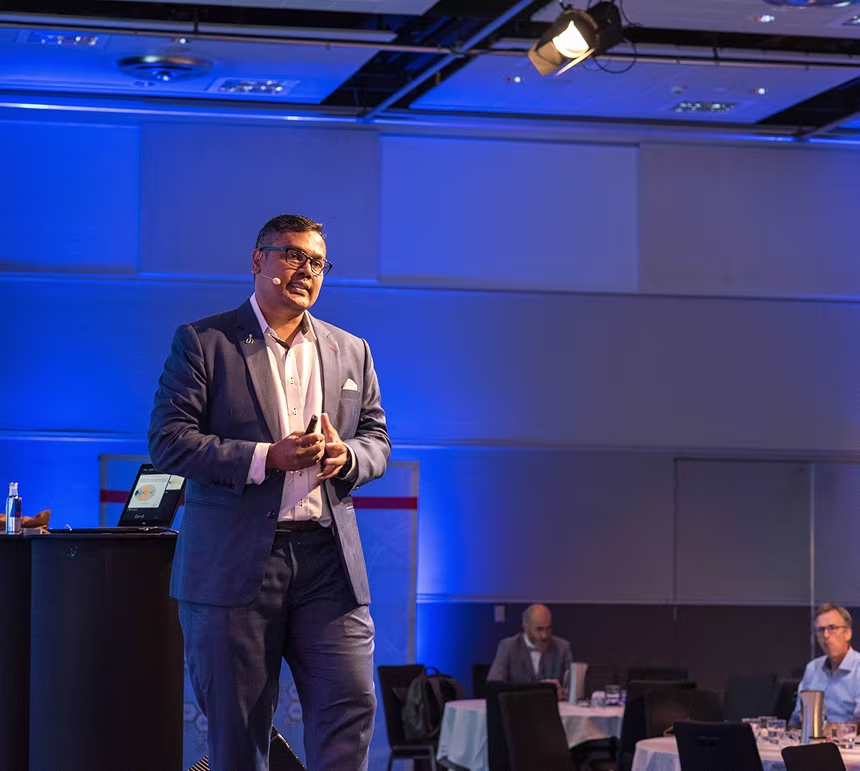




In today's fast-paced, digital-first business landscape, a strong personal brand isn't just an asset—it's a necessity. Personal branding isn't about who you are; it's about how the world perceives you. Dr. Jerome Joseph, ranked #2 Global Brand Thought Leader, brings 30 years of experience working with over 1,000 brands across 41 countries. The first Asian to author a book on personal branding in 2007 (Turn Me ON), Dr. Jerome is also the author of the groundbreaking Personal Branding in the Age of AI. His programs have reached over 1.2 million participants globally and have empowered 300+ executives, CEOs, entrepreneurs, and sales professionals to achieve transformative success through 1 on 1 Coaching.


Elevate their online visibility and influence

Overcome stagnation and unlock career potential

Build unshakable trust and credibility

Increase the Sales and Drive Performance

Use transformative AI Strategies to boost their brand
Key Areas of Expertise
Tailored Solutions for Professionals at Every Level
The 5D Personal Branding Framework
A Comprehensive Approach to Brand Transformation

- Clarify Core Values and Strengths:Uncover what drives you and defines your unique professional identity.
- Analyze Audience Needs:Deep-dive into what your target market seeks, ensuring alignment between your brand and audience
- Leverage AI for Insights:Use AI-powered tools to analyze market trends, competitors, and emerging opportunities to position your brand strategically.

- Pinpoint Target Niches:Develop a clear picture of your ideal audience using advanced segmentation techniques and detailed audience personas.
- Understand Pain Points:Use AI to analyze audience behavior, preferences, and challenges to create messaging that resonates deeply.
- Leverage AI for Insights:Use AI-powered tools to analyze market trends, competitors, and emerging opportunities to position your brand strategically.

- Craft Unique Selling Propositions (USPs):Highlight what makes you unique, credible, and irreplaceable in your field.
- Enhance Visibility and Credibility:Use proven strategies to build trust and strengthen your reputation across digital and physical platforms.
- Position Yourself as a Thought Leader:Establish authority in your niche by creating high-value content, speaking at industry events, and engaging in professional discussions.

- Create Branded Assets:Build polished, professional materials, including websites, LinkedIn profiles, and presentation decks, that reflect your expertise and vision.
- Content Marketing and Optimization:Develop impactful campaigns to engage your audience and reinforce your brand message.
- Harness AI for Content Creation:Utilize AI tools to design high-impact content, automate campaigns, and solidify your expertise across platforms.

- Implement Long-Term Branding Plans:Establish actionable strategies that ensure consistent brand growth and market relevance.
- Influence and Networking Strategies:Develop advanced tactics to expand your reach and create powerful, lasting connections in your industry.
- Optimize with AI Tools:Use AI for lead generation, performance analytics, and ongoing refinements to maintain momentum and scale effectively.
Unleash the Power of Your Personal Brand
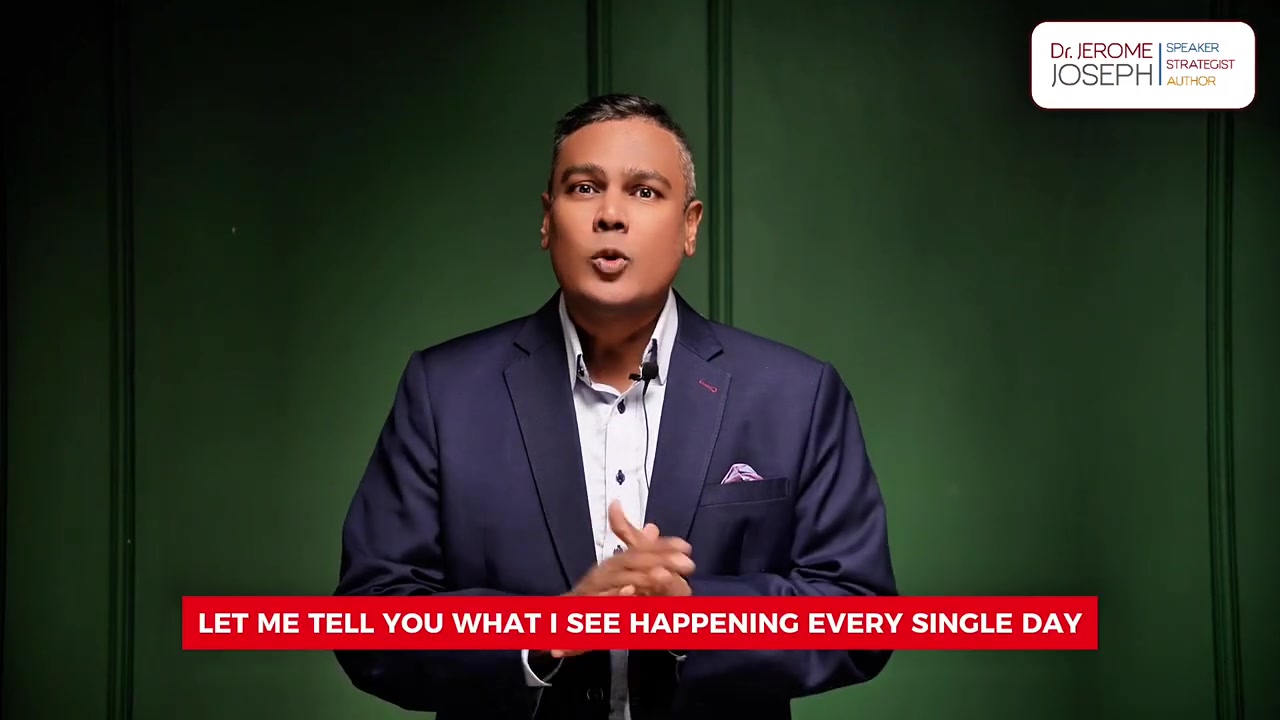
See real transformation through expert coaching. Watch the journey in this video
Packages
Personalized Coaching for Every Ambition










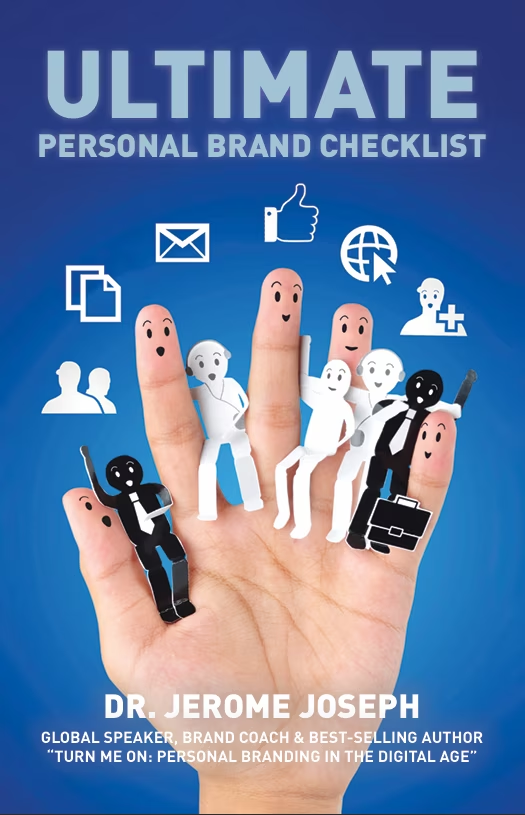
DOWNLOAD THE ULTIMATE PERSONAL BRAND CHECKLIST FOR FREE
The Ultimate Personal Brand Checklist
- Audit and refine their personal brand
- Define goals and messaging that stick
- Build thought leadership & visibility
- Master branding across LinkedIn, content, video & more
- Evolve into a brand that’s powerful, authentic, and profitable
Testimonials
trusted by brands & leaders worldwide
DJerome has been very instrumental in giving us insights and his views on the latest trends and I highly recommend it for this particular training.
Division Head | AI and Sales Workshop attendee
HJerome's presentation style is very energetic and very easy to understand.
HRD | Digital and AI Workshop attendee
SHe is very clear, he understands his audience!
Sales Leader | AI Masterclass attendee
CThe insights and strategies were not only practical, but tailored specifically to what we, as real estate professionals need.
Chang HuanSr. Associate Director | Propnex
HDr Jerome's teaching style is fun and engaging, making complex ideas easy to understand and apply.
HerbertSocial Media/Digital Marketer
TAttending Dr. Jerome Joseph's branding workshop was a game-changer for me!
TravisFinancial Wealth Architect
DJerome has been very instrumental in giving us insights and his views on the latest trends and I highly recommend it for this particular training.
Division Head | AI and Sales Workshop attendee
HJerome's presentation style is very energetic and very easy to understand.
HRD | Digital and AI Workshop attendee
SHe is very clear, he understands his audience!
Sales Leader | AI Masterclass attendee
CThe insights and strategies were not only practical, but tailored specifically to what we, as real estate professionals need.
Chang HuanSr. Associate Director | Propnex
HDr Jerome's teaching style is fun and engaging, making complex ideas easy to understand and apply.
HerbertSocial Media/Digital Marketer
TAttending Dr. Jerome Joseph's branding workshop was a game-changer for me!
TravisFinancial Wealth Architect
DJerome has been very instrumental in giving us insights and his views on the latest trends and I highly recommend it for this particular training.
Division Head | AI and Sales Workshop attendee
HJerome's presentation style is very energetic and very easy to understand.
HRD | Digital and AI Workshop attendee
SHe is very clear, he understands his audience!
Sales Leader | AI Masterclass attendee
CThe insights and strategies were not only practical, but tailored specifically to what we, as real estate professionals need.
Chang HuanSr. Associate Director | Propnex
HDr Jerome's teaching style is fun and engaging, making complex ideas easy to understand and apply.
HerbertSocial Media/Digital Marketer
TAttending Dr. Jerome Joseph's branding workshop was a game-changer for me!
TravisFinancial Wealth Architect
DJerome has been very instrumental in giving us insights and his views on the latest trends and I highly recommend it for this particular training.
Division Head | AI and Sales Workshop attendee
HJerome's presentation style is very energetic and very easy to understand.
HRD | Digital and AI Workshop attendee
SHe is very clear, he understands his audience!
Sales Leader | AI Masterclass attendee
CThe insights and strategies were not only practical, but tailored specifically to what we, as real estate professionals need.
Chang HuanSr. Associate Director | Propnex
HDr Jerome's teaching style is fun and engaging, making complex ideas easy to understand and apply.
HerbertSocial Media/Digital Marketer
TAttending Dr. Jerome Joseph's branding workshop was a game-changer for me!
TravisFinancial Wealth Architect