Recently, while waiting in an airport lounge on the way to a speaking engagement, I struck up a conversation with someone seated next to me.
We talked about work, travel, stages, and audiences. The usual topics that come up when someone learns you are a professional speaker.
Then he asked a simple question that made me pause.
“You have been doing this for almost 30 years. What has changed for you?”
It was such a straightforward question. Yet it carried weight.
After thinking about it for a moment, three things came to mind. Over the years, my perspective on feedback, applause, and the idea of saying yes to every opportunity has evolved in ways I did not expect early in my career.
These shifts did not happen overnight. They came slowly through experience, reflection, and time spent on stages across different countries and cultures.
1. The Weight of Feedback
Early in my career, feedback meant everything.
I remember conducting a masterclass where almost every participant rated the programme as outstanding. The responses were positive. People were engaged. The session had clearly landed well.
But one participant left a piece of negative feedback.
And that single comment stayed with me.
Instead of focusing on the overwhelming number of positive responses, I found myself replaying that one negative comment repeatedly in my mind. It occupied far more space in my thoughts than it ever deserved.
Looking back, I realise this is something many professionals experience, not just speakers. When we care deeply about our work, criticism can feel personal.
Over time, my relationship with feedback changed.
I began to see feedback for what it truly is: perspective.
It is not a verdict. It is not a final judgment of your ability or your value. It is simply input that can help you improve.
Some feedback will be useful. Some will not be relevant. And sometimes the feedback reflects the expectations or preferences of one individual rather than the experience of the entire audience.
One of the most important lessons I have learned is this.
Your message is not meant for everyone.
When you accept that truth, feedback becomes easier to understand. Instead of personalising it, you contextualise it. Instead of letting it define you, you let it inform you.
That shift in mindset creates a healthier and more balanced relationship with feedback.
2. Applause and Recognition
Over the years, I have had the privilege of speaking in more than 40 countries.
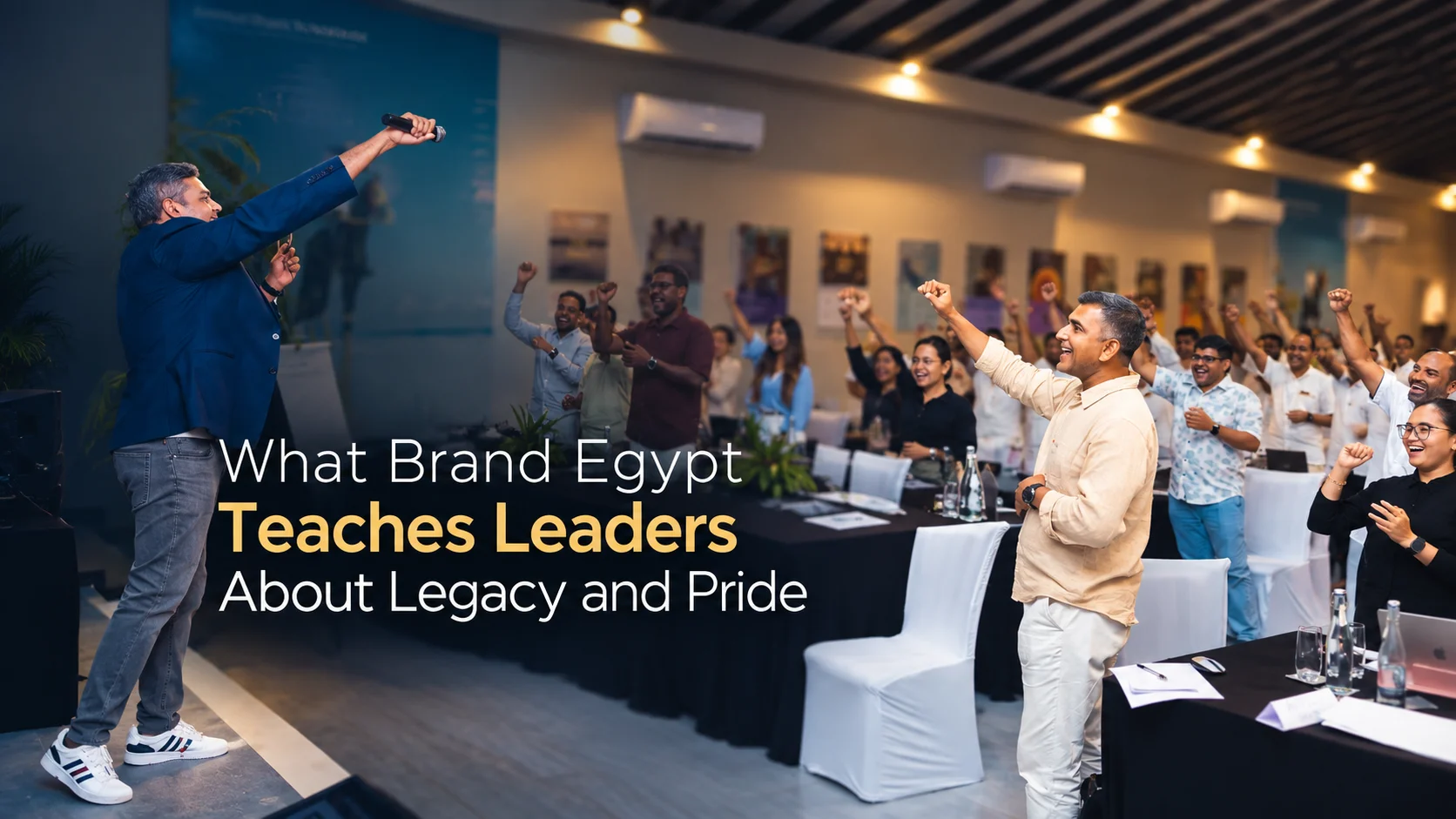
I have experienced packed conference halls, enthusiastic audiences, warm introductions, and moments where the room rises for a standing ovation.
There is no denying that applause feels good. Anyone who says otherwise is probably not being completely honest.
But something interesting happens as time passes.
Applause begins to matter less.
Early in my speaking journey, recognition felt like validation. The louder the applause, the stronger the sense that the message had been successful.
Today, my perspective is very different.
What matters most to me now is not the applause at the end of a session. What matters is what happens after the session.
Did I give my best on stage?
Did the message connect with the audience?
Did the session spark a new idea, a different perspective, or a meaningful shift in thinking for the people in the room?
Applause fades quickly. The sound disappears within seconds.
But real transformation lasts much longer.
When someone approaches you after a talk and shares how a single insight changed the way they see their work, their leadership, or their business, that moment carries far more meaning than applause ever could.
Over time, I have learned to value impact more than recognition.
Meaning more than noise.
That shift has made the work far more fulfilling.
3. Saying Yes to Every Opportunity
There was also a time when I believed that saying yes to every opportunity was the path to success.
Every speaking invitation felt like something that had to be accepted. More events meant more exposure. More stages meant more growth.
Or so I thought.
As the years went by, I realised something important.
Not every stage is aligned.
Not every audience is ready.
Not every opportunity deserves your energy.
Experience teaches you the value of intentional choices.
Today, I approach speaking engagements very differently. I look for alignment between the message, the audience, and the purpose of the event.
I ask questions such as:
Is this audience ready for the conversation we want to have?
Is the topic meaningful for them?
Will this engagement create genuine value for the people attending?
When those elements align, the experience becomes far more powerful for both the audience and the speaker.
Choosing carefully is not about doing less work. It is about focusing energy where it can create the greatest impact.
Alignment, intent, and purpose matter far more than volume.
The Moment of Clarity
As I shared these reflections with the gentleman in the airport lounge, he listened quietly.
When I finished, he smiled and said something simple.
“That sounds like clarity.”
He was right.
Many of the changes we experience over time are not dramatic external shifts. They are internal adjustments in how we see our work, our success, and our purpose.
Sometimes growth is not about doing more.
It is about understanding more clearly what truly matters.
A Question Worth Reflecting On
That conversation stayed with me long after the flight.
It also left me thinking about how perspective evolves in every profession.
With time and experience, we begin to see things differently. Priorities change. What once seemed critical may become less important, while other values become clearer.
So I will leave you with the same question that was asked of me that day.
What has changed for you over the years?
What do you see differently today that you did not see before?
Sometimes the most meaningful progress does not come from adding more to our lives.
Sometimes it comes from seeing more clearly.
Summary
After nearly 30 years as a professional speaker, three key perspectives have changed in my journey.
First, feedback should be contextualised rather than personalised. It is valuable input but not a measure of personal worth.
Second, applause and recognition matter far less than the real impact a message creates for an audience.
Third, saying yes to every opportunity is not the path to meaningful work. Choosing engagements with alignment and purpose leads to greater impact.
Ultimately, growth over time often leads to one powerful outcome: clarity.