Most conferences don't fail because of the venue. They fail because nobody decided what the event was supposed to change.
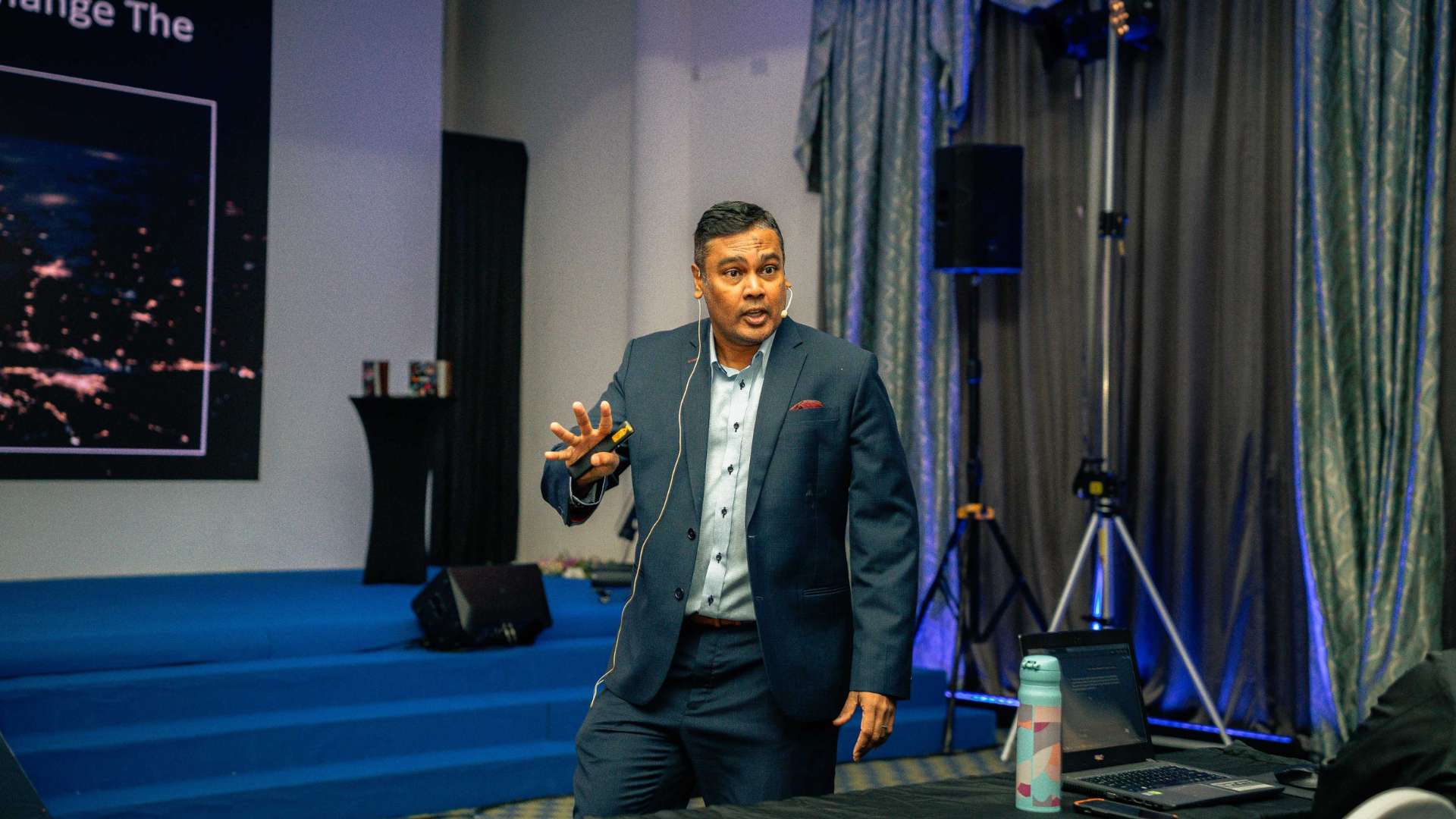
Dr. Jerome Joseph has spent more than 30 years on stages and in boardrooms, working with over 1,000 brands across 41 countries. Egypt is the newest of those countries, and his first work in Cairo is a Sales Mastery programme. This guide brings together the lessons from his years of working with event teams around the world, applied to the way business events are planned in Cairo. If you are planning a corporate conference in Cairo, this guide is for you. Whether you work in HR, marketing, sales leadership or on an events team, it walks through the decisions that decide whether people leave inspired or just leave.
Why Cairo Works Well for Corporate Conferences
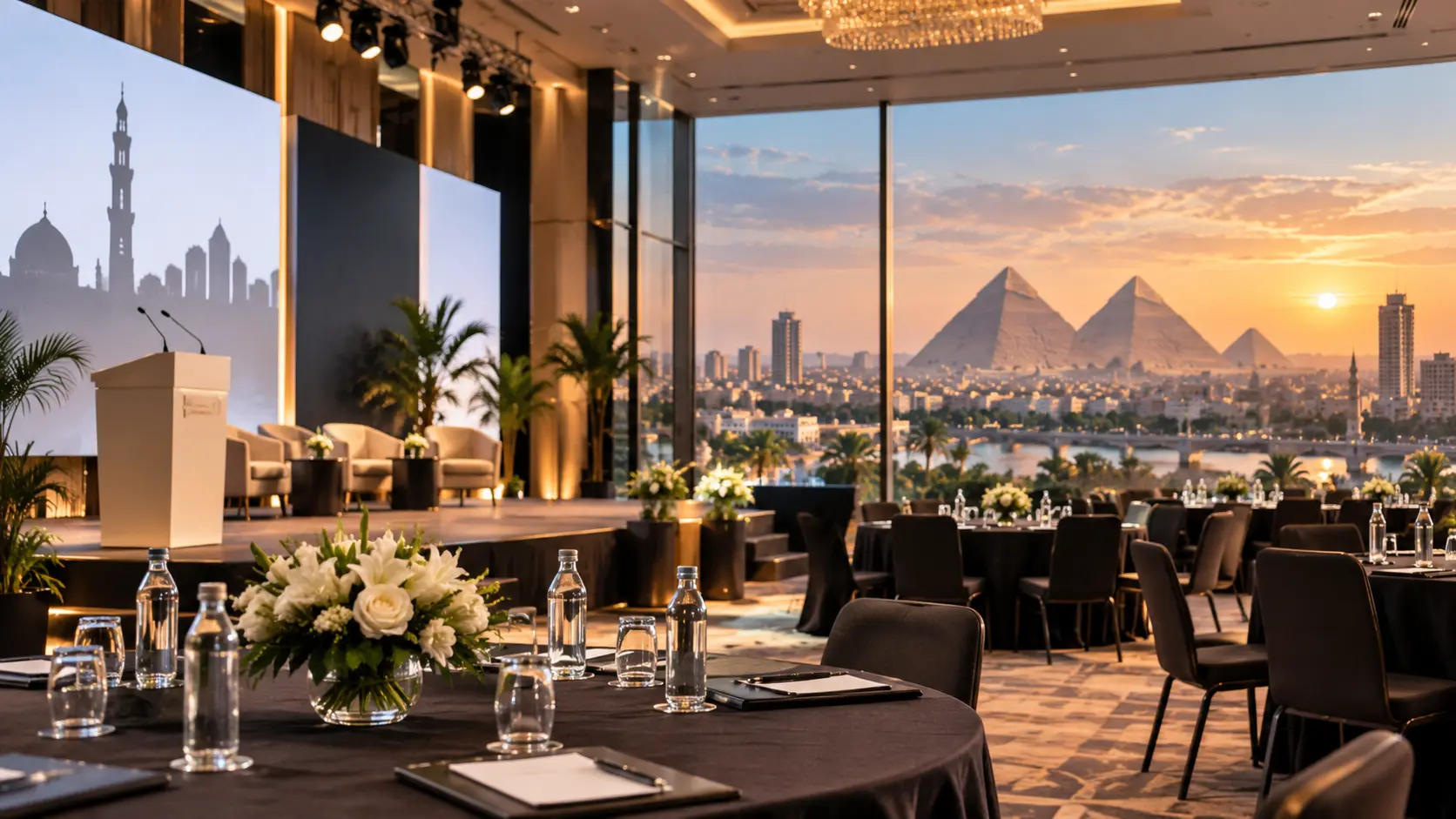
Cairo is one of the biggest business cities in the Middle East. It has large purpose-built venues, a wide choice of international hotels, and a huge pool of professionals across banking, telecom, energy, real estate and tourism.
It is also a city that is putting real energy into technology. Cairo ICT, one of the region's biggest technology events, runs from 7 to 10 November 2026 at the Egypt International Exhibition Center in New Cairo, with a strong focus on AI. That tells you a lot about the conversations business leaders here are already having, and why more organisations are bringing in AI and branding keynotes in Cairo to guide those conversations. So the city gives you the space and the audience. What it can't give you is a clear purpose. That part is on you.
Start With the Outcome, Not the Venue
Before you look at a single hotel ballroom, answer one question:
What should people think, feel or do differently after this conference?
Maybe you want your sales team to try a new way of selling. Maybe leadership needs everyone behind a new brand direction. Maybe you are rolling out an AI strategy and people are nervous about it. Write that outcome down in one sentence. Then use it to test every decision that follows. The venue, the date, the speakers, even the coffee breaks.
Here's a simple way to do it. For each part of the event, ask:
Does this help us reach the outcome?
If we removed it, would anyone miss it?
Is this here because it matters, or because "we always do it"?
You will be surprised how much you cut. And how much better the event gets.
If you work with outside planners, share that one sentence with them on day one. Good partners will plan around it. You can also find helpful resources for meeting planners on Dr. Jerome Joseph's website.