






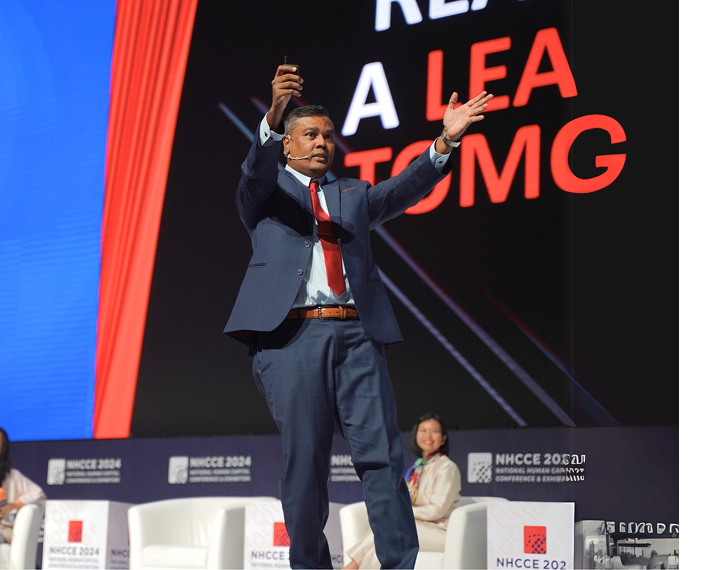




Dive into the world of transformative branding and leadership with my AI-powered digital avatar. Bringing together decades of expertise and actionable strategies, this tool is designed to help you elevate your brand, empower your team, and create unforgettable customer experiences. Whether you're focusing on internal branding, crafting a compelling customer journey, or building a standout personal brand, my avatar is here to guide you—anytime, anywhere.

How to Interact with Dr. Jerome's AI
A Collaborative Journey to Sustainable Success
Dr. Jerome's strategic advisory process is designed for precision and impact:


1
Start the conversation
Click the “Ask Me Anything” button to begin your journey.
2
Ask questions across my key pillars
From branding, leadership, AI to customer experience, get expert answers to all of your business questions.
3
Receive insights
Access actionable advice and proven frameworks tailored to your challenges.
4
Go deeper
Let the avatar guide you further—dive deeper into your topics through follow-up questions, expert tips, and insightful explanations tailored to your needs.
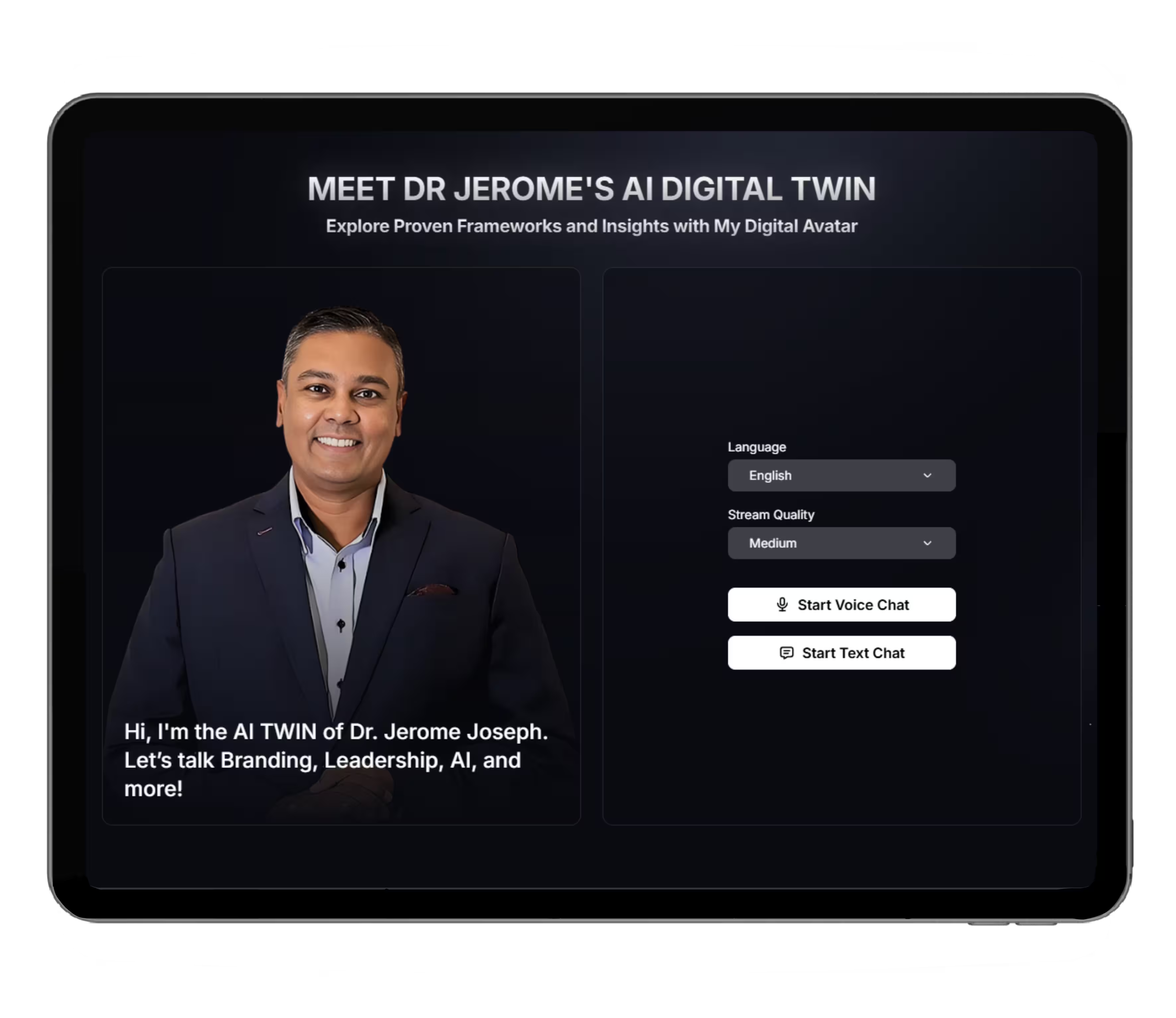
MEET Dr. Jerome'S AI TWIN
Ask questions. Get insights. Explore branding like never before.
Dr. Jerome's strategic advisory process is designed for precision and impact:
What My Digital Avatar Can Help With
Dr. Jerome Joseph delivers transformative solutions for brand growth, culture, sales, visibility, and AI integration—empowering brands to lead with impact, trust, and future-ready strategies.

Branding
- Strategies to craft a differentiated, purpose-driven brand.
- Tools for enhancing brand equity and market positioning.
- Insights into aligning brand strategy with business goals.

Internal Branding
- Creating a unified team of brand champions.
- Aligning leadership and culture with brand aspirations.
- Fostering a purpose-driven, branded workplace culture.

Leadership and Culture Transformation
- Leading with purpose and creating a branded leadership style.
- Fostering collaboration and innovation within your organization.
- Strategies to align leadership actions with cultural transformation.

Sales
- Proven strategies to drive client acquisition and business growth.
- Tools to improve conversion, build trust, and shorten the sales cycle.
- Insights into leveraging personal brand and AI to elevate sales performance.

Personal Branding
- Steps to establish trust, authority, and influence.
- Techniques for building a standout personal brand online and offline.
- AI-driven tools to enhance visibility and credibility.

AI and Digital Branding
- Leveraging AI to boost branding, marketing, and sales.
- Integrating AI tools for efficiency and impact.
- Future-proofing your brand in a digital-first world.
Ready to Elevate Your Brand, Team, and Leadership?
Start a conversation with my digital avatar to unlock tailored strategies and expert insights.