
Global Keynote Speaker on AI, Branding, Sales and Culture Transformation
Inspiring, Engaging, and Transformative Insights to Shape Your Brand's Future
A keynote should do more than inspire—it should ignite action.




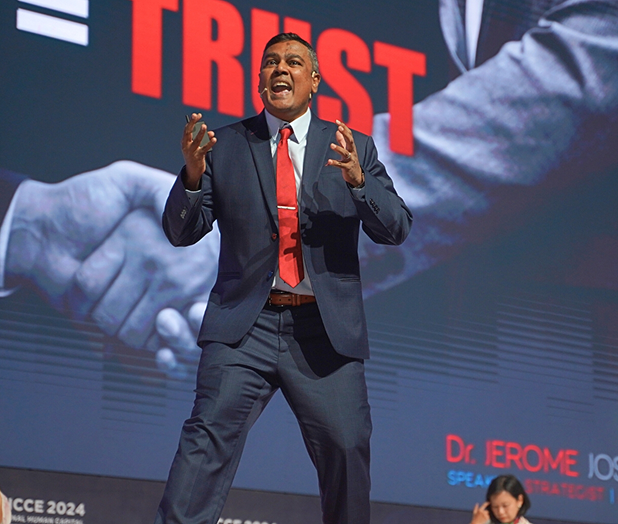




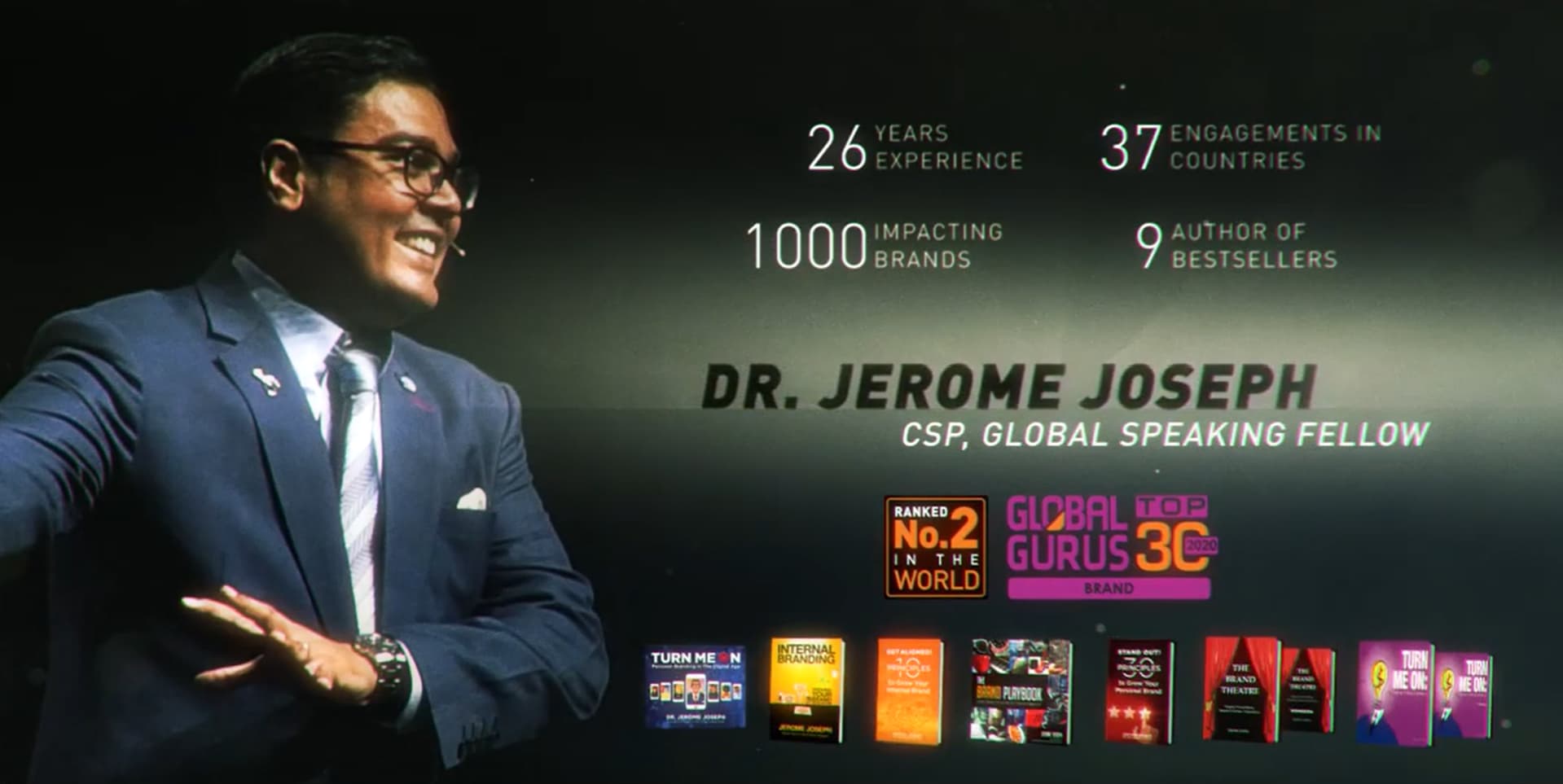
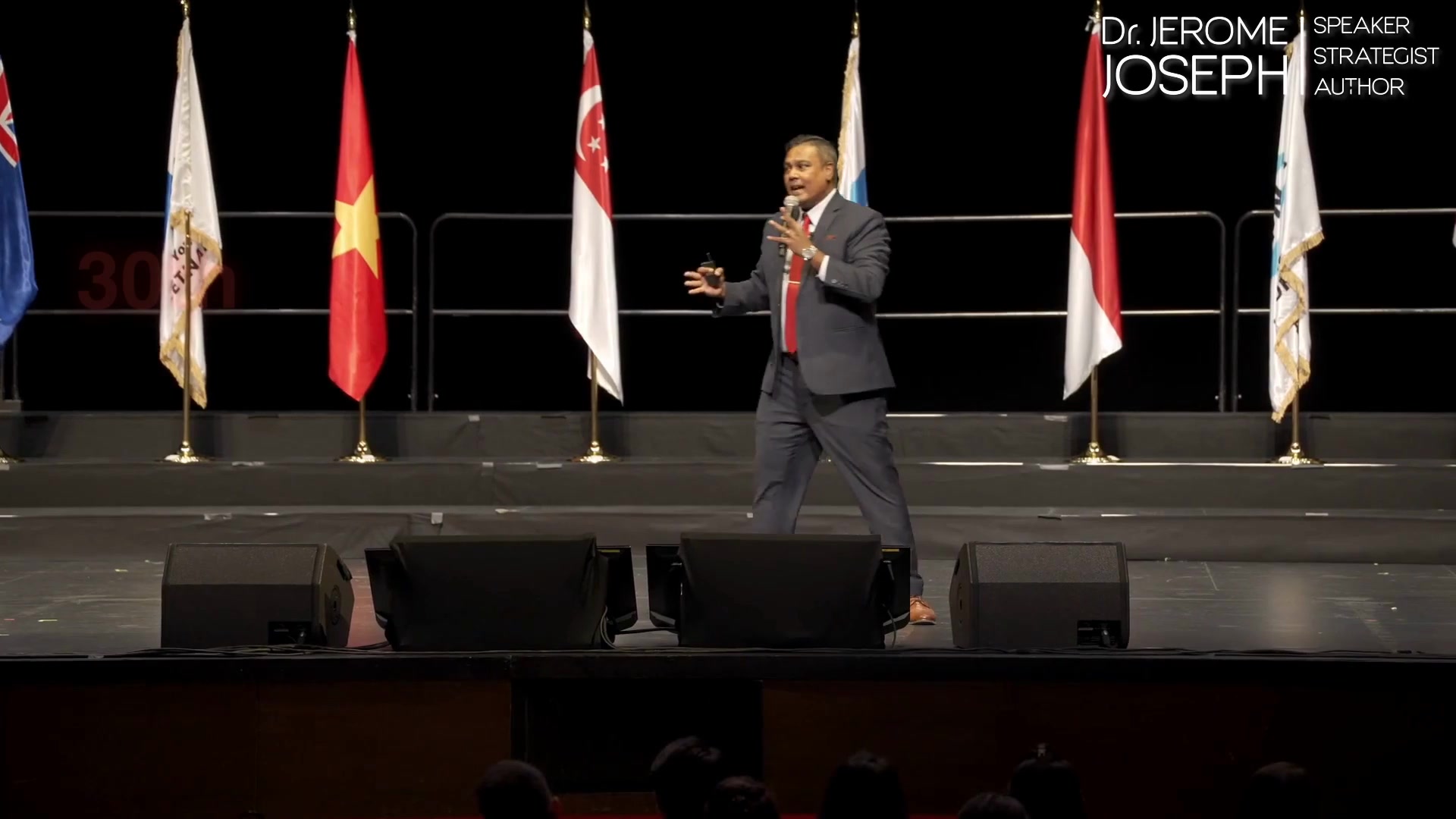
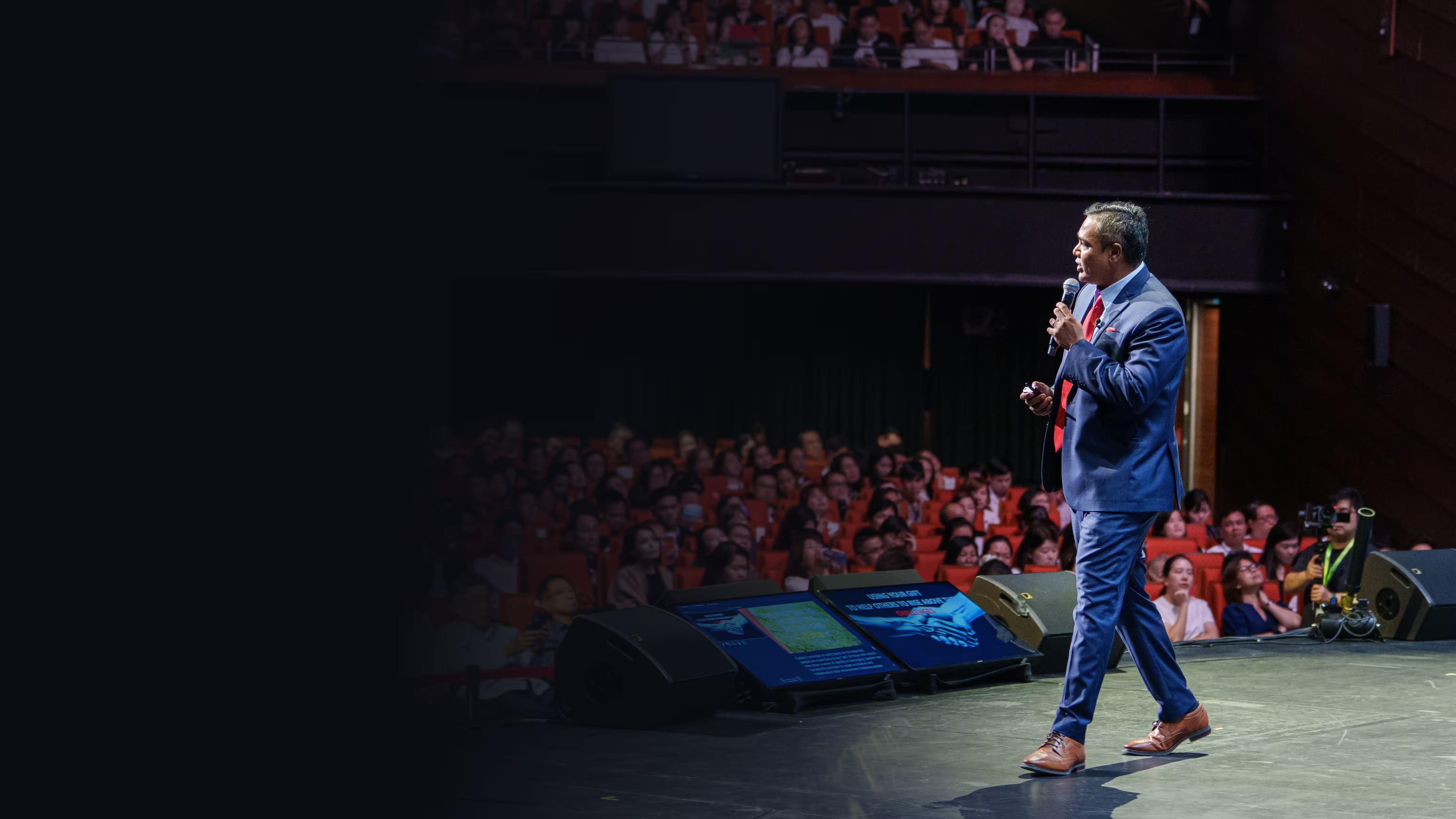
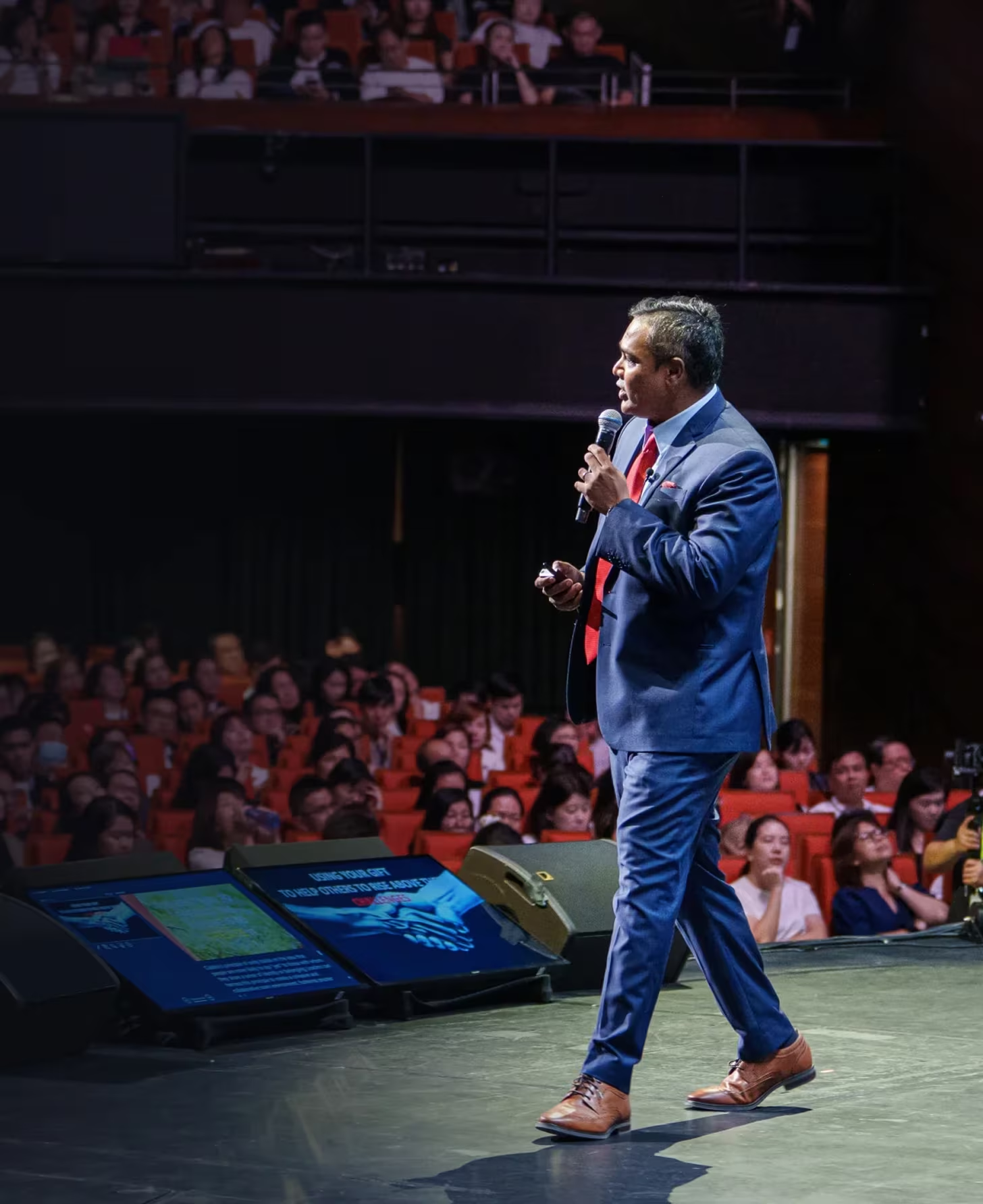
Experience the power of a transformative keynote with Dr. Jerome Joseph, the award-winning brand strategist who has guided over 1,000 brands globally. Known for his engaging storytelling and actionable insights, Jerome's keynotes connect deeply with audiences, energizing them to take action. Whether you're looking to enhance brand strategy, embrace AI, or build an unforgettable customer experience, these sessions are crafted to spark new perspectives and deliver measurable impact.
The Brand Transformation Model
This model captures Dr. Jerome Joseph's comprehensive approach to brand success. Each keynote series builds on the other, creating a powerful journey. Together, they shape brands that don't just compete - they lead.

Motivation drives transformation, Brand Strategy sets direction, Leadership and Personal Branding empower teams, and Customer Experience, Sales, and AI & Digital bring the brand to life in the market.

Keynote series
Explore each series to discover how Dr. Jerome's insights can elevate your organization to new heights.


Brand Transformation Series
Transforming Strategies into Market Success
This series dives into game-changing strategies and frameworks that enable brands to break through in a competitive market. Dr. Jerome Joseph brings deep insights into differentiation, customer connection, and brand experience to ensure brands don't just survive but thrive.
Audience: Ideal for business leaders, brand managers, entrepreneurs, and marketing professionals looking to build a strong, differentiated market presence
In the dynamic world of branding, having a robust strategy is essential for standing out...
The Brand Playbook: Game-Changing Strategies and Ideas to Win in the Marketplace
Synopsis
In the dynamic world of branding, having a robust strategy is essential for standing out and achieving growth. Based on Dr. Jerome Joseph's bestselling book, “The Brand Playbook: 88 Game-Changing Strategies and Ideas to Win in the Marketplace,” this keynote provides an in-depth look at powerful strategies employed by top brands globally. One notable example is Apple, which has masterfully utilized branding techniques to create a strong, iconic market presence and unparalleled customer loyalty. Through this program, you will learn how to implement similar strategies to enhance your brand's credibility and drive unprecedented growth. Dr. Jerome shares insights into differentiating your brand, connecting deeply with your customers, and creating memorable brand experiences. By adopting these proven techniques, your brand can achieve market dominance and lasting success. This program is designed to equip you with the knowledge and tools needed to transform your brand into a market leader. Get ready to elevate your branding game and achieve remarkable results.
Key Learning Outcomes
- Develop comprehensive branding strategies that set your brand apart.
- Enhance brand credibility and trust among your target audience.
- Implement customer-centric approaches to foster deep connections.
- Create memorable and impactful brand experiences.
- Drive significant growth and achieve market dominance through innovative techniques.
This program is ideal for
- Business Leaders Seeking to drive brand success through innovative strategies.
- Brand Managers: Looking to build a strong, differentiated market presence.
- Entrepreneurs: Aiming to elevate their brand and connect deeply with customers.
- Marketing Professionals: Wanting to stay ahead of market trends and leverage cutting-edge branding techniques.
Creating a deep and lasting connection with your audience is the hallmark of a successfu...
Experience Branding: Establish Deep Audience Connection Through Our Brand Experience Framework
Synopsis
Creating a deep and lasting connection with your audience is the hallmark of a successful brand. The Experience Branding session leverages the innovative MIND, HEART, TOUCH Experience Framework to help you craft powerful emotional connections that foster brand loyalty and advocacy. Drawing inspiration from Disney, a brand renowned for its extraordinary customer experiences that leave lasting impressions, this session will guide you through the process of designing and delivering exceptional brand interactions. By tapping into the psychological (MIND), emotional (HEART), and sensory (TOUCH) dimensions of brand experiences, you'll learn to create moments that not only satisfy but also delight and engage your customers. This program equips you with the knowledge to transform ordinary interactions into extraordinary experiences, ensuring your brand remains memorable and beloved. Elevate your brand's impact and build a loyal customer base that champions your brand with every interaction.
Key Learning Outcomes
- Implement the MIND, HEART, TOUCH Experience Framework to create deep emotional connections.
- Design and deliver extraordinary brand experiences that build loyalty.
- Foster customer advocacy through memorable and impactful interactions.
- Enhance brand engagement by appealing to psychological, emotional, and sensory aspects.
- Transform ordinary customer interactions into extraordinary experiences.
This program is ideal for
- Customer Service Teams: Looking to enhance customer interactions and satisfaction.
- Marketing Professionals: Aiming to create stronger emotional connections with customers.
- Brand Managers: Seeking to deliver memorable brand experiences that build loyalty.
- Business Leaders: Focused on elevating their brand's impact and fostering advocacy.
Unlock the secrets behind the success of legendary brands with the Lessons From The Legends keynote. This session dives deep into the stories of iconic brands from Asia and around the globe, offering invaluable insights and actionable lessons that you can apply to your own brand strategy. Take a leaf out of Samsung's playbook, a brand that has revolutionized the tech industry with its relentless innovation and strategic agility. Through detailed case studies, you will learn how these industry leaders overcame challenges, adapted to market shifts, and consistently stayed ahead of the competition. Dr. Jerome Joseph will guide you through the strategic decisions and core principles that propelled these brands to greatness. By understanding these success stories, you'll be equipped to make informed, strategic moves that can transform your brand into a market leader. This program not only highlights the triumphs but also the pitfalls to avoid, ensuring a well-rounded perspective on brand management. Prepare to be inspired and to gain the strategic acumen needed to navigate your brand to new heights.
Key Learning Outcomes
- Learn strategic branding lessons from legendary global brands.
- Understand how to adapt successful strategies to your own brand context.
- Gain insights into overcoming common brand challenges.
- Identify and leverage key market opportunities.
- Apply actionable lessons to drive your brand's growth and success.
This program is ideal for
- Business Leaders: Looking to incorporate successful strategies from iconic brands.
- Brand Managers: Aiming to enhance their brand's market position.
- Entrepreneurs: Seeking inspiration and strategic insights from leading brands.
- Marketing Professionals: Wanting to learn from the best practices of industry giants.
Unlock the magic of storytelling with the Once Upon A Bran...
Once Upon A Brand: The Power of Brand Storytelling
Synopsis
Unlock the magic of storytelling with the Once Upon A Brand program. Storytelling is a powerful tool that can transform your brand's narrative and create deep emotional connections with your audience. This session delves into the art of brand storytelling, equipping you with the skills to craft compelling narratives that resonate deeply. Learn from brands like Nike, which has mastered storytelling to inspire and connect with its customers on a profound level. By understanding the fundamentals of crafting a compelling brand story, you can enhance emotional engagement and build lasting customer loyalty. Dr. Jerome Joseph will guide you through the process of creating authentic and memorable brand stories that reflect your brand's values and vision. Through this program, you'll gain the ability to captivate your audience, drive customer loyalty, and differentiate your brand in a crowded marketplace. Get ready to transform your brand's narrative and connect with your audience in meaningful ways.
Key Learning Outcomes
- Master the fundamentals of brand storytelling to create resonant narratives.
- Enhance emotional engagement with your audience through powerful stories.
- Build lasting customer loyalty by connecting deeply with your audience.
- Craft authentic and memorable brand stories that reflect your brand's values.
- Differentiate your brand in a crowded marketplace with unique storytelling techniques.
This program is ideal for
- Brand Managers: Looking to enhance their brand's narrative and emotional connection with customers.
- Marketing Professionals: Aiming to create compelling content that drives engagement and loyalty.
- Entrepreneurs: Seeking to build a strong, authentic brand story.
- Content Creators: Wanting to master the art of storytelling for brand success.
In the fast-paced world of modern branding, the integration of AI offers unparalleled op...
AI-Driven Branding: Leveraging AI to Drive Your Brand
Synopsis
In the fast-paced world of modern branding, the integration of AI offers unparalleled opportunities to enhance and optimize brand strategies. The AI-Driven Branding program demonstrates how brands like Coca-Cola have harnessed the power of AI to create more personalized and effective connections with their audience. By leveraging AI tools, Coca-Cola has been able to analyze consumer data, predict trends, and deliver highly personalized marketing campaigns that resonate deeply with their customers. This keynote delves into the ways AI can revolutionize your branding efforts, providing you with the knowledge to implement AI-driven strategies that boost your brand's performance. Dr. Jerome Joseph will guide you through the process of utilizing AI analytics to personalize experiences, optimize performance, and stay competitive in a rapidly evolving market. Discover how AI can transform your brand into a smarter, more efficient entity that captivates and engages your audience. Embrace the future of branding with AI and unlock the potential to drive unprecedented growth and success.
Key Learning Outcomes
- Implement AI tools to enhance your brand strategies.
- Personalize brand experiences with AI insights.
- Optimize brand performance using AI analytics.
- Predict market trends and consumer behavior with AI.
- Stay competitive by leveraging cutting-edge AI-driven branding techniques.
This program is ideal for
- Brand Managers: Looking to integrate AI into their branding efforts.
- Marketing Professionals: Aiming to enhance brand performance with AI.
- Business Leaders: Seeking competitive advantages through innovative branding techniques.
- Entrepreneurs: Wanting to leverage AI to personalize and optimize brand experiences.


Personal Branding Series
Your Brand, Your Influence - Amplified in the Digital World
For individuals striving to stand out, the Personal Branding Series offers strategies to build a distinctive personal brand that resonates. Dr. Jerome explores everything from digital branding and AI-driven personal branding to positioning oneself as a thought leader.
Audience: Ideal for entrepreneurs, career-driven professionals, influencers, and anyone looking to elevate their personal brand.
In a world where personal branding is pivotal to career success, the TURN Me ON program ...
TURN Me ON: Growing Your Personal Brand
Synopsis
In a world where personal branding is pivotal to career success, the TURN Me ON program empowers you to ignite and elevate your personal brand. Inspired by the personal branding strategies of Gary Vaynerchuk, a renowned entrepreneur who has built a powerful personal brand through authenticity and strategic content, this program provides you with the tools to grow and shine. Gary Vee’s approach to leveraging social media, engaging content, and genuine interactions serves as a blueprint for anyone looking to enhance their personal brand. Dr. Jerome Joseph will guide you through practical steps to define, develop, and amplify your personal brand. You will learn to highlight your unique strengths, create a compelling online presence, and foster meaningful connections. By the end of this session, you'll be equipped to stand out in your field, attract new opportunities, and achieve personal and professional success. This program is designed to help you turn on the power of your personal brand and make a lasting impact.
Key Learning Outcomes
- Define and articulate your unique personal brand.
- Develop strategies to enhance your online presence.
- Create engaging content that reflects your brand values.
- Foster meaningful connections and expand your network.
- Leverage social media to amplify your personal brand.
This program is ideal for
- Professionals: Looking to build and enhance their personal brand.
- Entrepreneurs: Aiming to establish a strong, unique brand identity.
- Leaders: Seeking to leverage their personal brand for greater influence.
- Marketing Professionals: Wanting to apply personal branding strategies for career advancement.
In the bustling digital landscape, building a powerful personal brand is more critical t...
TURN Me ON: Personal Branding in the Digital Age
Synopsis
In the bustling digital landscape, building a powerful personal brand is more critical than ever. The TURN Me ON: Personal Branding in the Digital Age program empowers you to ignite and elevate your personal brand, leveraging the strategies of renowned figures like Elon Musk. Musk has mastered the art of personal branding, using social media to share his vision, engage with audiences, and drive his companies' success. This keynote provides you with the tools to enhance your online presence and create a compelling personal brand that stands out. Dr. Jerome Joseph will guide you through practical steps to define your unique value proposition, craft engaging content, and foster meaningful online connections. By the end of this session, you'll be equipped to navigate the digital world effectively, build a strong personal brand, and attract new opportunities. This program is designed to help you harness the power of personal branding and make a lasting impact in the digital age.
Key Learning Outcomes
- Define and articulate your unique personal brand in the digital space.
- Develop strategies to enhance your online presence.
- Create engaging digital content that reflects your personal brand values.
- Foster meaningful connections and expand your digital network.
- Leverage social media platforms to amplify your personal brand.
This program is ideal for
- Professionals: Looking to build and enhance their personal brand in the digital space.
- Entrepreneurs: Aiming to establish a strong, unique online identity.
- Leaders: Seeking to leverage their personal brand for greater influence.
- Marketing Professionals: Wanting to apply personal branding strategies for career advancement.
In the digital age, harnessing AI for personal branding can set you apart and drive sign...
AI Driven Personal Branding: Leveraging AI to Drive Your Personal Brand
Synopsis
In the digital age, harnessing AI for personal branding can set you apart and drive significant success. The AI Driven Personal Branding program teaches you how to leverage AI to enhance and amplify your personal brand. Inspired by the approach of influencers like Gary Vaynerchuk, who has adeptly used AI tools to analyze trends, personalize content, and engage more effectively with his audience, this keynote offers a roadmap for integrating AI into your personal branding strategy. Gary Vee’s ability to use data-driven insights to inform his personal brand's growth showcases the power of AI in achieving remarkable results. Dr. Jerome Joseph will guide you through practical steps to implement AI tools, optimize your digital presence, and create personalized experiences that resonate deeply with your audience. By the end of this session, you'll be equipped to harness AI technology to drive your personal brand forward, ensuring a competitive edge and sustained success.
Key Learning Outcomes
- Implement AI tools to enhance your personal brand.
- Personalize content and experiences with AI-driven insights.
- Optimize your digital presence using AI analytics.
- Leverage AI to analyze trends and inform your branding strategy.
- Achieve sustained success by integrating AI into personal branding.
This program is ideal for
- Professionals: Looking to build and enhance their personal brand using AI.
- Entrepreneurs: Aiming to establish a strong, unique brand identity with AI.
- Leaders: Seeking to leverage AI for greater influence and personal branding.
- Marketing Professionals: Wanting to apply AI-driven strategies for career advancement.


Culture & Leadership Transformation Series
Empowering Leaders & Creating Branded Cultures
This series focuses on aligning leadership actions with brand values to cultivate a purpose-driven culture. Dr. Jerome covers leadership essentials like internal branding, fostering brand champions, and building cohesive, value-driven organizations that stand out.
Audience: Designed for senior executives, team leaders, and HR professionals looking to strengthen their organization's culture and leadership alignment with brand vision.
Building a strong brand starts from within, with your employees as the most important br...
Internal Branding: Growing Your Brand From Within
Synopsis
Building a strong brand starts from within, with your employees as the most important brand ambassadors. The Internal Branding program emphasizes the importance of cultivating a powerful internal culture that aligns with your brand values. Drawing inspiration from Zappos, a company renowned for its exceptional corporate culture and employee engagement, this keynote provides practical strategies to grow your brand from the inside out. Zappos' focus on creating a positive work environment and fostering a sense of ownership among employees has led to a highly engaged and loyal workforce that truly embodies the brand's values. Dr. Jerome Joseph will guide you through the process of developing an internal branding strategy that motivates and empowers your team, ensuring that every employee is an enthusiastic advocate for your brand. This program covers essential steps to align your internal culture with your brand vision, enhance employee engagement, and create a strong, cohesive brand identity. By the end of this session, you'll have the tools to build a brand that resonates deeply with both employees and customers.
Key Learning Outcomes
- Develop an internal branding strategy that aligns with your brand vision.
- Enhance employee engagement and motivation.
- Foster a positive work environment that reflects your brand values.
- Empower employees to become enthusiastic brand ambassadors.
- Create a cohesive and strong brand identity from within.
This program is ideal for
- Business Leaders: Looking to build a strong internal culture and brand identity.
- HR Professionals: Aiming to enhance employee engagement and motivation.
- Brand Managers: Seeking to align internal culture with brand values.
- Team Leaders: Wanting to empower their teams and foster brand advocacy.
Creating a brand that employees genuinely believe in and advocate for is essential for l...
The Brand Champion Mindset: Inspiring Employees to Embody and Champion the Brand
Synopsis
Creating a brand that employees genuinely believe in and advocate for is essential for long-term success. The Brand Champion Mindset program focuses on inspiring your employees to embody and champion your brand, turning them into passionate advocates. Drawing inspiration from Southwest Airlines, a company known for its outstanding employee engagement and brand loyalty, this keynote provides practical strategies to foster a brand champion mindset within your team. Southwest Airlines' emphasis on a positive company culture and employee empowerment has resulted in a workforce that genuinely loves and promotes the brand. Dr. Jerome Joseph will guide you through the process of instilling a brand champion mindset, enhancing employee motivation, and creating a strong, unified brand identity. This program covers essential steps to align your team's values with your brand, encourage brand advocacy, and build a cohesive internal culture. By the end of this session, you will have the tools to inspire your employees to live and breathe your brand, ensuring its success and longevity.
Key Learning Outcomes
- Foster a brand champion mindset within your team.
- Enhance employee motivation and engagement.
- Create a strong, unified brand identity.
- Align your team's values with your brand.
- Encourage brand advocacy and loyalty among employees.
This program is ideal for
- Business Leaders: Looking to build a strong internal culture and brand identity.
- HR Professionals: Aiming to enhance employee engagement and motivation.
- Brand Managers: Seeking to align internal culture with brand values.
- Team Leaders: Wanting to empower their teams and foster brand advocacy.
In today's ever-evolving business landscape, leaders who align their leadership with a c...
Purpose Driven Leadership: Aligning Leadership with Brand Purpose for Lasting Impact
Synopsis
In today's ever-evolving business landscape, leaders who align their leadership with a clear and compelling brand purpose can drive profound and lasting impact. The Purpose Driven Leadership program is designed to empower you to lead with purpose and align your team with your brand's mission. Inspired by the leadership approach of Patagonia, a company that has seamlessly integrated its environmental mission into its business model, this keynote offers practical strategies to achieve a meaningful alignment between leadership and brand purpose. Patagonia's commitment to sustainability and corporate responsibility has set a high standard for purpose-driven leadership. Dr. Jerome Joseph will guide you through the steps to embed purpose into your leadership practices, fostering a culture that resonates with your brand values and drives impactful results. This program covers essential strategies to lead with authenticity, engage your team, and create a lasting legacy. By the end of this session, you'll be equipped to inspire your team, align leadership with your brand purpose, and achieve lasting success.
Key Learning Outcomes
- Align leadership practices with your brand's purpose.
- Lead with authenticity and inspire your team.
- Foster a culture that resonates with your brand values.
- Drive impactful results through purpose-driven leadership.
- Create a lasting legacy by integrating purpose into your leadership.
This program is ideal for
- Business Leaders: Looking to align their leadership with their brand purpose.
- HR Professionals: Aiming to foster a purpose-driven organizational culture.
- Brand Managers: Seeking to integrate brand values into leadership practices.
- Team Leaders: Wanting to inspire their teams through purpose-driven leadership.
In an increasingly competitive market, having a clear and compelling purpose is essentia...
Purpose: Why Every Brand Needs One
Synopsis
In an increasingly competitive market, having a clear and compelling purpose is essential for any brand to stand out and build lasting connections with its audience. The Purpose: Why Every Brand Needs One program emphasizes the importance of defining and communicating your brand's purpose, ensuring it resonates deeply with customers and employees alike. Taking inspiration from brands like TOMS, which has built a strong reputation through its One for One initiative, this keynote provides practical strategies to articulate and live your brand's purpose. TOMS' commitment to social impact and giving back has not only differentiated it from competitors but also fostered a loyal customer base. Dr. Jerome Joseph will guide you through the steps to define your brand's purpose, integrate it into your business practices, and communicate it effectively to your audience. By the end of this session, you will have the tools to build a purpose-driven brand that inspires trust, loyalty, and advocacy.
Key Learning Outcomes
- Define and articulate your brand's purpose.
- Integrate your brand's purpose into business practices.
- Communicate your brand's purpose effectively to your audience.
- Build trust and loyalty through purpose-driven initiatives.
- Inspire advocacy and long-term engagement with a clear brand purpose.
This program is ideal for
- Business Leaders: Looking to build a purpose-driven brand.
- Brand Managers: Aiming to differentiate their brand with a clear purpose.
- Marketing Professionals: Seeking to communicate brand purpose effectively.
- Entrepreneurs: Wanting to establish a strong and meaningful brand identity.
Effective brand leadership requires leaders who not only understand the brand's values b...
Brand Leadership: Inspiring Leaders to Embody and Champion the Brand
Synopsis
Effective brand leadership requires leaders who not only understand the brand's values but also embody and champion them. The Brand Leadership program is designed to inspire leaders to take on the role of brand ambassadors, ensuring a cohesive and impactful brand presence. Drawing inspiration from Apple, a company whose leaders consistently embody the brand's ethos of innovation and design excellence, this keynote provides practical strategies for leaders to align themselves with their brand. Apple's leadership, from Steve Jobs to Tim Cook, has demonstrated how inspiring and championing the brand can drive success and loyalty. Dr. Jerome Joseph will guide you through the steps to become a brand leader who lives and breathes the brand's values, creating a culture of brand advocacy and excellence. This program covers essential strategies to inspire your team, foster a strong brand identity, and lead with purpose and conviction. By the end of this session, you'll be equipped to champion your brand effectively and inspire others to do the same.
Key Learning Outcomes
- Understand and embody your brand's values as a leader.
- Inspire your team to become brand advocates.
- Foster a strong and cohesive brand identity.
- Lead with purpose and conviction.
- Create a culture of brand advocacy and excellence.
This program is ideal for
- Business Leaders: Looking to align their leadership with their brand values.
- Brand Managers: Aiming to inspire their team to champion the brand.
- Marketing Professionals: Seeking to foster a culture of brand advocacy.
- Team Leaders: Wanting to lead with purpose and build a strong brand identity.
In the rapidly evolving landscape of modern leadership, integrating AI can significantly...
AI-Driven Leadership: Leveraging AI to Drive Your Leadership
Synopsis
In the rapidly evolving landscape of modern leadership, integrating AI can significantly enhance decision-making and team performance. The AI-Driven Leadership program reveals how AI can transform your leadership approach, helping you make more informed decisions and drive team success with intelligent insights. Inspired by the success of Google, a company that uses AI to optimize leadership practices and foster innovation, this session provides a roadmap for leveraging AI to become a more effective leader. Google's use of AI in data analysis and decision-making processes has set a benchmark for innovative leadership. Dr. Jerome Joseph will guide you through the practical application of AI tools to enhance your leadership skills, foster innovation, and lead your team more effectively. This keynote is designed to help you embrace AI, providing the knowledge and strategies to integrate AI into your leadership practices. Elevate your leadership capabilities, drive team success, and foster a culture of innovation with AI-driven insights.
Key Learning Outcomes
- Enhance leadership skills with AI-driven insights and tools.
- Make more informed and data-driven decisions.
- Foster innovation and creativity within your team.
- Improve team performance through AI-optimized strategies.
- Lead effectively by integrating AI into leadership practices.
This program is ideal for
- Business Leaders: Looking to enhance their leadership skills with AI.
- Managers: Aiming to improve team performance and foster innovation.
- Entrepreneurs: Seeking to leverage AI for better decision-making and leadership.
- HR Professionals: Interested in integrating AI into leadership development programs


Customer Experience Series
Turning Ordinary into Extraordinary Experiences
Customer experience is key to loyalty. This series explores the art of crafting branded experiences that not only satisfy but transform customers into advocates. Learn Dr. Jerome's proven frameworks for building loyalty and creating memorable brand interactions.
Audience: Perfect for customer service teams, marketing professionals, and brand managers focused on elevating customer satisfaction and loyalty.
Creating exceptional customer experiences is crucial for building lasting loyalty and ma...
Branded Customer Experience: Staging Extraordinary Branded Experiences
Synopsis
Creating exceptional customer experiences is crucial for building lasting loyalty and making your brand unforgettable. In the Branded Customer Experience program, you'll uncover the secrets to designing and delivering extraordinary branded interactions that captivate your audience. Taking a cue from Disney, a brand renowned for its immersive and memorable experiences, this program demonstrates how to leave a lasting impact on your customers. By implementing innovative techniques, you will elevate every customer interaction, transforming ordinary moments into extraordinary ones that resonate deeply with your audience. Dr. Jerome Joseph will guide you through the process of crafting these remarkable experiences, ensuring that your brand not only satisfies but delights and engages customers at every touchpoint. Learn to build loyalty, foster advocacy, and create a brand experience that stands out in a competitive market. This keynote is designed to provide you with practical strategies and insights to make your brand experiences truly exceptional.
Key Learning Outcomes
- Design extraordinary branded customer experiences.
- Enhance brand loyalty through memorable interactions.
- Implement innovative techniques to exceed customer expectations.
- Foster customer advocacy by creating impactful brand moments.
- Transform ordinary customer interactions into extraordinary experiences.
This program is ideal for
- Customer Service Teams: Looking to enhance customer interactions and satisfaction.
- Marketing Professionals: Aiming to build stronger emotional connections with customers.
- Brand Managers: Seeking to deliver memorable brand experiences that build loyalty.
- Business Leaders: Focused on elevating their brand's impact and fostering advocacy.
In today's competitive market, turning satisfied customers into passionate advocates is ...
Brand Loyalty: How to Transform Customers into Raving Fans
Synopsis
In today's competitive market, turning satisfied customers into passionate advocates is the key to sustained brand success. The Brand Loyalty program teaches you how to create devoted fans who eagerly promote your brand. Drawing inspiration from Starbucks, a brand renowned for its exceptional customer loyalty programs, this session delves into the strategies that transform casual customers into enthusiastic brand ambassadors. By fostering strong customer relationships and developing effective loyalty programs, you can ensure that your customers keep coming back and spreading the word about your brand. Dr. Jerome Joseph will guide you through the process of building a loyal customer base, providing you with the tools to create lasting connections and drive advocacy. Discover the techniques that make brands like Starbucks stand out, and learn how to implement them in your own strategy. This program is designed to help you cultivate a dedicated community of brand advocates, leading to increased customer retention and organic growth. Elevate your brand loyalty efforts and turn your customers into raving fans.
Key Learning Outcomes
- Build strong customer relationships that foster loyalty.
- Develop effective loyalty programs that encourage repeat business.
- Transform casual customers into enthusiastic brand advocates.
- Enhance customer retention through personalized engagement strategies.
- Drive organic growth by leveraging customer advocacy.
This program is ideal for
- Customer Service Teams: Looking to enhance customer loyalty and satisfaction.
- Marketing Professionals: Aiming to build and manage successful loyalty programs.
- Brand Managers: Seeking to create strong connections and advocacy among customers.
- Business Leaders: Focused on driving customer retention and organic growth.


Sales Series
Drive Sales with Brand Alignment
Combining consultative selling with brand alignment, this series guides sales professionals in creating trust-driven relationships. Jerome's insights help participants develop skills in consultative selling, social selling, and AI-powered sales, all while strengthening brand credibility.
Audience: Geared toward sales executives, business development managers, and entrepreneurs seeking to deepen customer connections and drive growth.
In an ever-changing sales landscape, adapting to new rules and trends is crucial for suc...
Synopsis
In an ever-changing sales landscape, adapting to new rules and trends is crucial for success. The Future of Selling program equips you with strategies designed to help you excel in today's disruptive market. By drawing insights from innovative companies like Amazon, which has revolutionized online retail and sales strategies, this keynote provides the tools you need to stay ahead. Amazon's approach to personalized customer experiences, data-driven decisions, and leveraging technology offers a blueprint for navigating the complexities of modern sales. Dr. Jerome Joseph will guide you through the latest trends and techniques in sales, ensuring you have the knowledge to thrive in a competitive environment. This program covers everything from leveraging digital tools to understanding consumer behavior and adapting to market shifts. By the end of this session, you'll be equipped to transform your sales approach and achieve remarkable results. Prepare to master the new rules of sales and lead your team to success in a rapidly evolving world.
Key Learning Outcomes
- Understand and implement the latest trends and techniques in sales.
- Leverage digital tools and technology to enhance sales performance.
- Analyze and adapt to changing consumer behavior.
- Develop strategies to stay competitive in a disruptive market.
- Transform your sales approach to achieve remarkable results.
This program is ideal for
- Sales Executives: Looking to stay ahead with innovative sales strategies.
- Business Development Managers: Aiming to enhance their sales techniques and performance.
- Marketing Professionals: Seeking to understand and adapt to modern sales trends.
- Entrepreneurs: Wanting to leverage new sales techniques to grow their business.
In the realm of modern sales, understanding and meeting customer needs is paramount to s...
Sell the Brand: A Consultative Approach to Sales Success
Synopsis
In the realm of modern sales, understanding and meeting customer needs is paramount to success. The Sell the Brand program focuses on a consultative approach that transforms how you interact with clients. Inspired by the strategies used by IBM, a brand that has perfected consultative selling to build lasting customer relationships and drive significant sales, this session provides you with the tools to emulate such success. IBM's emphasis on understanding customer needs and delivering tailored solutions has set a benchmark in the industry. Through this program, you will learn to adopt similar strategies, ensuring that your sales interactions are not just transactions but value-based engagements that foster trust and loyalty. Dr. Jerome Joseph will guide you through the process of building strong customer relationships, enhancing sales outcomes, and achieving success by selling your brand effectively. Get ready to transform your sales approach and drive growth through meaningful, consultative engagements that deliver real value to your customers.
Key Learning Outcomes
- Understand and meet customer needs to drive sales success.
- Deliver brand value through consultative sales interactions.
- Build strong, trust-based customer relationships.
- Enhance sales outcomes with a value-based approach.
- Foster customer loyalty and long-term engagement.
This program is ideal for
- Sales Professionals: Seeking to adopt a consultative selling approach.
- Business Leaders: Aiming to improve sales outcomes through customer-focused strategies.
- Customer Service Managers: Looking to enhance their team’s sales techniques.
- Entrepreneurs: Wanting to build strong, value-driven customer relationships.
In today's digital age, leveraging your online presence is essential for building trust,...
Branded Social Selling: Using Your Digital Brand to Build Credibility, Influence, and Trust
Synopsis
In today's digital age, leveraging your online presence is essential for building trust, establishing credibility, and influencing your audience. The Branded Social Selling program teaches you how to harness the power of your digital brand to create meaningful connections and drive sales. By learning from successful brands like LinkedIn, which has mastered the art of social selling to create a network of professionals and influencers, this program provides you with the strategies to engage and convert your online audience effectively. LinkedIn's approach to building credibility and trust through authentic content and strategic networking offers a blueprint for success in social selling. Dr. Jerome Joseph will guide you through essential social selling techniques, helping you build a strong digital brand that resonates with your audience. This session covers everything from creating authentic content to leveraging social media platforms for maximum impact. By the end of this program, you'll be equipped to enhance your digital presence, build trust, and influence your audience, driving significant growth for your brand.
Key Learning Outcomes
- Develop strategies to build trust and credibility online.
- Enhance your digital brand through effective social selling techniques.
- Engage and influence your audience with authentic content.
- Leverage social media platforms to boost sales opportunities.
- Convert your online audience effectively through strategic social selling.
This program is ideal for
- Sales Professionals: Looking to adopt social selling techniques to enhance their sales strategies.
- Marketing Professionals: Aiming to build a strong digital brand and engage their audience.
- Entrepreneurs: Seeking to leverage their online presence to drive business growth.
- Business Leaders: Focused on building credibility and trust through digital platforms.
Sales Mastery Playbook™ – The Ultimate System to Build You...
Sales Mastery Playbook – The Ultimate System to Build Your Brand, Win Clients & Close Deals in the Age of AI.
Synopsis
Sales Mastery Playbook™ – The Ultimate System to Build Your Brand, Win Clients & Close Deals in the Age of AI is a game-changing program designed for the modern sales professional. In today’s fast-changing, AI-driven world, traditional sales methods are no longer enough. Buyers are smarter, more skeptical, and expect more. This program bridges the gap between timeless sales principles and cutting-edge AI-driven strategies.
Built on Dr. Jerome Joseph’s 30 years of global sales and branding expertise, this system empowers participants to create a personal brand that commands attention, builds trust, and accelerates sales outcomes. It’s not just about closing deals—it’s about creating real relationships, mastering value-driven conversations, and leveraging technology to sell smarter, faster, and more effectively.
The program combines practical frameworks with proven strategies in personal branding, lead generation, AI-driven selling, and key account management. You’ll learn how to shift from being a transactional seller to becoming a trusted advisor—someone your clients respect, remember, and return to.
Whether you’re an entrepreneur, a sales professional, or a business leader, this system will give you the tools to build a powerful sales brand, attract high-quality clients, and drive sustainable growth in the digital era.
This isn’t theory. This is a proven, actionable playbook for anyone ready to transform their sales game and future-proof their success.
Built on Dr. Jerome Joseph’s 30 years of global sales and branding expertise, this system empowers participants to create a personal brand that commands attention, builds trust, and accelerates sales outcomes. It’s not just about closing deals—it’s about creating real relationships, mastering value-driven conversations, and leveraging technology to sell smarter, faster, and more effectively.
The program combines practical frameworks with proven strategies in personal branding, lead generation, AI-driven selling, and key account management. You’ll learn how to shift from being a transactional seller to becoming a trusted advisor—someone your clients respect, remember, and return to.
Whether you’re an entrepreneur, a sales professional, or a business leader, this system will give you the tools to build a powerful sales brand, attract high-quality clients, and drive sustainable growth in the digital era.
This isn’t theory. This is a proven, actionable playbook for anyone ready to transform their sales game and future-proof their success.
Key Learning Outcomes
- Build a personal sales brand that attracts, engages, and converts high-value clients.
- Master modern lead generation strategies powered by AI and automation.
- Adopt consultative selling techniques that build trust and drive customer loyalty.
- Close more deals with a proven, repeatable sales system rooted in psychology and technology.
- Develop scalable, future-proof sales strategies that drive long-term revenue growth.
This program is ideal for
- Business Leaders: Looking to improve team sales outcomes through modern, client-focused strategies.
- Entrepreneurs: Eager to build strong, value-driven customer relationships and scale through effective key account management and sales performance.


AI & Digital Series
Harness AI for the Future
The AI & Digital Series provides a roadmap for leveraging AI and digital tools to enhance branding, marketing, and personal brand influence. Learn to integrate cutting-edge technology to create efficient, memorable, and scalable brand experiences that resonate in the digital age.
Audience: Perfect for professionals in marketing, sales, digital strategy, and anyone aiming to future-proof their brand with AI.
In the ever-evolving landscape of branding, staying ahead of the curve means integrating...
AI Driven Branding: Leveraging AI to Drive Your Brand
Synopsis
In the ever-evolving landscape of branding, staying ahead of the curve means integrating advanced technologies like artificial intelligence (AI). The AI Driven Branding program unlocks the potential of AI to revolutionize your branding strategies, ensuring smarter and more effective connections with your audience. One standout example is Netflix, which utilizes AI to personalize content recommendations, enhancing user engagement and satisfaction. This keynote delves into how you can leverage similar AI tools to enhance your brand strategies, create personalized experiences, and optimize performance through AI analytics. Dr. Jerome Joseph will guide you through the transformative power of AI, providing practical insights and techniques to implement these advanced tools in your branding efforts. By harnessing the power of AI, your brand can achieve greater efficiency, deeper customer connections, and a competitive edge in the market. Discover the future of branding with AI and learn to drive your brand towards unprecedented growth and success. Elevate your brand's impact and stay ahead in the digital age with AI-driven branding strategies.
Key Learning Outcomes
- Implement AI tools to enhance your brand strategies.
- Personalize brand experiences with AI-driven insights.
- Optimize brand performance using AI analytics.
- Utilize AI to predict market trends and consumer behavior.
- Stay competitive by leveraging cutting-edge AI-driven branding techniques.
This program is ideal for
- Brand Managers: Looking to integrate AI into their branding efforts.
- Marketing Professionals: Aiming to enhance brand performance with AI.
- Business Leaders: Seeking competitive advantages through innovative branding techniques.
- Entrepreneurs: Wanting to leverage AI to personalize and optimize brand experiences.
In the dynamic world of marketing, integrating AI can dramatically enhance your strategi...
AI Driven Marketing: Leveraging AI to Drive Your Marketing
Synopsis
In the dynamic world of marketing, integrating AI can dramatically enhance your strategies and results. The AI Driven Marketing program unlocks the potential of AI to revolutionize your marketing efforts, leveraging data-driven insights and automation for superior outcomes. Inspired by the success of brands like Amazon, which uses AI to optimize its marketing campaigns and provide personalized recommendations, this keynote offers a deep dive into the transformative power of AI in marketing. Amazon's use of AI enables it to analyze vast amounts of data, predict customer preferences, and automate processes to deliver highly effective marketing strategies. Dr. Jerome Joseph will guide you through the practical steps to integrate AI into your marketing strategies, helping you to optimize campaigns, increase efficiency, and achieve exceptional results. By adopting AI-driven marketing techniques, your brand can stay ahead in a competitive market, enhance customer engagement, and drive significant growth. Embrace the future of marketing with AI and unlock new opportunities for your brand.
Key Learning Outcomes
- Implement AI tools to optimize marketing campaigns.
- Utilize data-driven insights to enhance marketing strategies.
- Increase efficiency through AI-driven automation.
- Predict customer preferences and tailor marketing efforts accordingly.
- Achieve superior marketing results with AI technology.
This program is ideal for
- Marketing Professionals: Looking to integrate AI into their strategies for better results.
- Digital Marketers: Aiming to enhance campaign performance with data-driven insights.
- Business Leaders: Seeking competitive advantages through innovative marketing techniques.
- Entrepreneurs: Wanting to leverage AI to personalize and optimize their marketing efforts.
In today's digital age, content marketing is crucial for engaging your audience and driv...
AI Driven Content Marketing: Leveraging AI to Drive Content Marketing
Synopsis
In today's digital age, content marketing is crucial for engaging your audience and driving brand success. The AI Driven Content Marketing program shows you how to revolutionize your content strategies using AI technology, ensuring that your content is personalized, high-impact, and resonates deeply with your audience. By following the example of brands like Netflix, which utilizes AI to recommend personalized content to its users, you can create content that meets the specific needs and preferences of your audience. This session will guide you through the practical application of AI tools to enhance content effectiveness, automate content creation and distribution processes, and drive higher engagement. Dr. Jerome Joseph will help you harness the power of AI to deliver content that not only captivates but also converts. With AI-driven insights, you can ensure that your content marketing efforts are both efficient and effective, ultimately leading to greater brand loyalty and growth.
Key Learning Outcomes
- Implement AI tools to create personalized content.
- Enhance content effectiveness using AI analytics.
- Automate content creation and distribution processes.
- Drive higher engagement with AI-driven content strategies.
- Optimize content performance through continuous AI feedback.
This program is ideal for
- Content Marketers: Looking to integrate AI into their content strategies for better results.
- Digital Marketers: Aiming to enhance content effectiveness and engagement.
- Business Leaders: Seeking to optimize content marketing efforts with AI.
- Entrepreneurs: Wanting to leverage AI to create impactful, personalized content.
In the rapidly evolving landscape of modern leadership, integrating AI can significantly...
AI Driven Leadership: Leveraging AI to Drive Your Leadership
Synopsis
In the rapidly evolving landscape of modern leadership, integrating AI can significantly enhance decision-making and team performance. The AI Driven Leadership program reveals how AI can transform your leadership approach, helping you make more informed decisions and drive team success with intelligent insights. Inspired by the success of Google, a company that uses AI to optimize leadership practices and foster innovation, this session provides a roadmap for leveraging AI to become a more effective leader. Google's use of AI in data analysis and decision-making processes has set a benchmark for innovative leadership. Dr. Jerome Joseph will guide you through the practical application of AI tools to enhance your leadership skills, foster innovation, and lead your team more effectively. This keynote is designed to help you embrace AI, providing the knowledge and strategies to integrate AI into your leadership practices. Elevate your leadership capabilities, drive team success, and foster a culture of innovation with AI-driven insights.
Key Learning Outcomes
- Enhance leadership skills with AI-driven insights and tools.
- Make more informed and data-driven decisions.
- Foster innovation and creativity within your team.
- Improve team performance through AI-optimized strategies.
- Lead effectively by integrating AI into leadership practices.
This program is ideal for
- Business Leaders: Looking to enhance their leadership skills with AI.
- Managers: Aiming to improve team performance and foster innovation.
- Entrepreneurs: Seeking to leverage AI for better decision-making and leadership.
- HR Professionals: Interested in integrating AI into leadership development programs.
In today's digital-first world, a strong online presence is crucial for any brand aiming...
Digital Branding: Crafting Your Brand's Digital Future
Synopsis
In today's digital-first world, a strong online presence is crucial for any brand aiming to stay competitive and relevant. The Digital Branding program empowers you to shape your brand's digital future with advanced strategies and technologies designed to enhance online presence and engagement. A great example of this is Nike, which has successfully transitioned its brand to the digital world by leveraging cutting-edge technology and innovative online strategies. Nike's use of digital platforms to engage customers, personalized marketing, and immersive brand experiences has set the standard for effective digital branding. This session will guide you through the process of crafting a future-proof digital brand, from identifying the right digital platforms to creating impactful digital campaigns. Dr. Jerome Joseph will provide you with practical insights and techniques to ensure your brand thrives in the digital age. By embracing digital branding, you can create memorable online experiences, engage with your audience more effectively, and drive significant growth for your brand.
Key Learning Outcomes
- Implement advanced digital branding strategies to enhance online presence.
- Transition your brand successfully to the digital world.
- Create impactful digital campaigns that resonate with your audience.
- Leverage digital platforms for maximum engagement and brand visibility.
- Develop a future-proof digital brand strategy that ensures long-term success.
This program is ideal for
- Brand Managers: Looking to strengthen their brand's digital presence.
- Marketing Professionals: Aiming to create effective digital campaigns.
- Digital Strategists: Seeking to leverage the latest technologies and platforms.
- Entrepreneurs: Wanting to build a robust online brand presence
As the branding landscape evolves, staying ahead requires embracing new media, innovativ...
Branding 5.0: New Media, New Conversations, New Experiences
Synopsis
As the branding landscape evolves, staying ahead requires embracing new media, innovative conversations, and immersive experiences. The Branding 5.0 program explores the future of branding, helping you navigate this dynamic environment to create a brand that resonates deeply in the modern market. Inspired by the forward-thinking strategies of brands like Red Bull, which has pioneered immersive experiences and engaging content to build a loyal following, this session offers insights into leveraging the latest trends and technologies. Red Bull's use of extreme sports, social media engagement, and innovative storytelling exemplifies the potential of Branding 5.0 to create meaningful connections with audiences. Dr. Jerome Joseph will guide you through the practical steps to integrate new media, foster innovative conversations, and design immersive experiences that captivate your audience. By embracing these elements, you can ensure your brand remains relevant, engaging, and impactful. Get ready to explore the cutting-edge of branding and lead your brand into the future with Branding 5.0.
Key Learning Outcomes
- Leverage new media to enhance brand visibility and engagement.
- Foster innovative conversations that resonate with your audience.
- Design immersive brand experiences that captivate and engage.
- Utilize the latest trends and technologies to stay ahead of the competition.
- Create a brand that resonates deeply in the modern market.
This program is ideal for
- Brand Managers: Looking to future-proof their branding strategies.
- Marketing Professionals: Aiming to leverage new media and innovative techniques.
- Business Leaders: Seeking to create impactful and engaging brand experiences.
- Digital Strategists: Wanting to explore the latest trends and technologies in branding.
In the competitive world of sales, leveraging AI can significantly transform your approa...
AI Driven Sales: Leveraging AI to Drive Your Sales
Synopsis
In the competitive world of sales, leveraging AI can significantly transform your approach and drive exceptional results. The AI Driven Sales program demonstrates how AI can enhance every stage of the sales process, from customer targeting to engagement and conversion rates. Inspired by the success of Salesforce, which has integrated AI to optimize its sales strategies and improve customer interactions, this session provides a comprehensive guide to utilizing AI in sales. Salesforce’s use of AI-driven insights and automation has set a benchmark for effective sales strategies, allowing for more precise targeting, personalized engagement, and higher conversion rates. Dr. Jerome Joseph will guide you through practical steps to implement AI tools, ensuring your sales team operates at peak efficiency. By embracing AI, you can gain a competitive edge, improve sales performance, and achieve remarkable outcomes. This program is designed to equip you with the knowledge and skills needed to harness AI, transforming your sales approach for better results.
Key Learning Outcomes
- Enhance customer targeting with AI-driven insights.
- Improve sales engagement using AI technologies.
- Boost conversion rates through AI-optimized strategies.
- Analyze and predict customer behavior with AI analytics.
- Transform your sales processes for superior results with AI.
This program is ideal for
- Sales Professionals: Seeking to leverage AI for better sales outcomes.
- Sales Managers: Aiming to optimize their team's performance with AI.
- Business Leaders: Looking to integrate AI into their sales strategy for competitive advantage.
- Marketing Professionals: Interested in using AI to enhance sales and customer interactions.
In a constantly changing sales environment, mastering new rules and trends is essential ...
The Future of Selling: Mastering the New Rules of Sales in a Disruptive World
Synopsis
In a constantly changing sales environment, mastering new rules and trends is essential for achieving success. The Future of Selling program is designed to help you navigate the evolving sales landscape with strategies tailored to adapt and excel. Drawing inspiration from Salesforce, a company that has revolutionized sales practices with innovative techniques and technologies, this keynote provides comprehensive insights into the latest trends and techniques. Salesforce’s ability to leverage data analytics, AI, and cloud-based solutions has set a new standard for sales excellence. Dr. Jerome Joseph will guide you through the cutting-edge strategies that will equip you with the knowledge needed to stay ahead in a competitive market. This program covers everything from digital transformation to understanding consumer behavior and implementing disruptive sales technologies. By the end of this session, you'll be ready to transform your sales approach, adapt to market shifts, and achieve remarkable results. Embrace the future of selling and lead your team to new heights.
Key Learning Outcomes
- Understand and implement the latest trends and techniques in sales.
- Leverage digital transformation to enhance sales processes.
- Analyze and adapt to changing consumer behavior.
- Develop strategies to stay competitive in a disruptive market.
- Implement innovative technologies to drive sales success.
This program is ideal for
- Sales Executives: Looking to stay ahead with innovative sales strategies.
- Business Development Managers: Aiming to enhance their sales techniques and performance.
- Marketing Professionals: Seeking to understand and adapt to modern sales trends.
- Entrepreneurs: Wanting to leverage new sales techniques to grow their business.


Motivation Series
Building a Brand Legacy that Lasts
Dr. Jerome's Motivation Series inspires individuals to create meaningful brands that endure. With insights on resilience, legacy, and personal growth, this series equips leaders and professionals to leave an indelible mark, aligning brand goals with personal values.
Audience: Suited for leaders, entrepreneurs, and professionals focused on personal and brand growth, aiming to inspire and leave a legacy.
In an era where brands come and go, establishing a legacy that endures is a mark of true...
Your Brand Legacy: Creating a Brand That You Are Remembered For
Synopsis
In an era where brands come and go, establishing a legacy that endures is a mark of true success. The Your Brand Legacy program empowers you to create a lasting brand by defining and communicating your unique value. Inspired by the enduring legacy of brands like Nike, which has consistently communicated its values and vision to build a global following, this keynote provides you with the tools to ensure your brand is remembered for years to come. Nike's focus on innovation, performance, and inspiration has left an indelible mark on the world, setting a high standard for brand legacy. Dr. Jerome Joseph will guide you through the process of building a brand that truly reflects your values and vision, helping you craft a legacy that stands the test of time. This program covers the essential steps to define your brand’s unique value, communicate it effectively, and build a lasting impact. By the end of this session, you will have the strategies needed to ensure your brand remains influential and cherished.
Key Learning Outcomes
- Define and articulate your brand's unique value and vision.
- Communicate your brand values effectively to build trust and loyalty.
- Create a brand strategy that ensures long-term impact and relevance.
- Build a lasting emotional connection with your audience.
- Foster a legacy that reflects your brand's values and achievements.
This program is ideal for
- Business Leaders: Looking to build a lasting brand legacy.
- Brand Managers: Aiming to ensure their brand remains relevant and impactful.
- Entrepreneurs: Seeking to define and communicate their unique value.
- Marketing Professionals: Wanting to create a lasting impact through effective brand communication.
In an increasingly competitive landscape, your personal brand is a key asset that can se...
Unbreakable Branding: Harnessing Your Personal Brand Power to Achieve Success
Synopsis
In an increasingly competitive landscape, your personal brand is a key asset that can set you apart and drive your career forward. The Unbreakable Branding program empowers you to leverage the power of your personal brand, using strategies that highlight your unique strengths and qualities. Drawing inspiration from Oprah Winfrey, who has built a formidable personal brand based on authenticity, resilience, and connection, this session guides you in identifying and amplifying your personal brand. Oprah’s ability to stay true to her values while expanding her influence serves as a powerful example of how a strong personal brand can lead to unparalleled success. Dr. Jerome Joseph will provide you with practical tools and techniques to define and enhance your personal brand, positioning you for career growth and long-term success. This program is designed to help you stand out, build credibility, and create a lasting impact in your field.
Key Learning Outcomes
- Identify and articulate your unique strengths and qualities.
- Develop strategies to amplify your personal brand effectively.
- Build credibility and trust with your audience.
- Enhance your visibility and influence in your field.
- Position yourself for career growth and long-term success.
This program is ideal for
- Professionals: Looking to build and enhance their personal brand.
- Entrepreneurs: Aiming to establish a strong, unique brand identity.
- Leaders: Seeking to leverage their personal brand for greater influence.
- Marketing Professionals: Wanting to apply personal branding strategies for career advancement.