
Corporate Training in AI, Branding, Sales and Culture Transformation
Inspiring, Engaging, and Transformative - Insights to Shape Your Brand's Future
Hands-on. High-impact. Designed for those who are serious about growth.



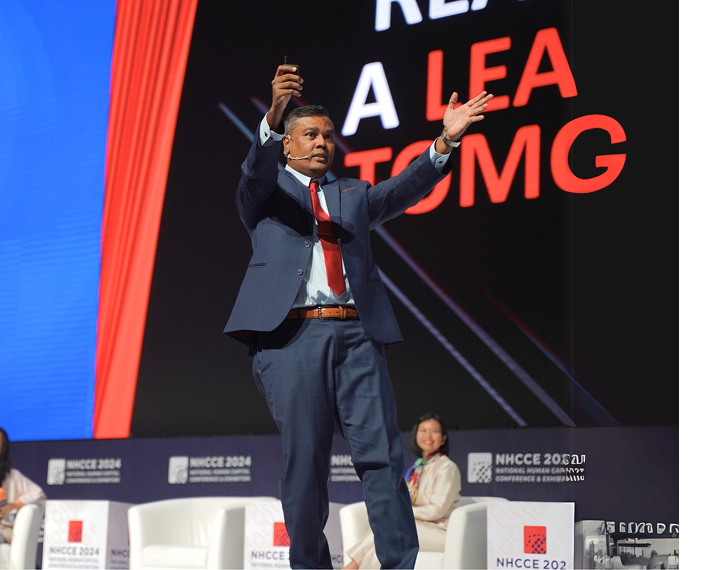




Take your organization to the next level with Dr. Jerome Joseph's immersive masterclasses. These high-impact sessions are designed to go beyond inspiration—equipping you and your team with the tools, strategies, and frameworks to implement real change. Whether it's a half-day boost or a multi-day deep dive, each masterclass is tailored to create lasting transformation.From branding and leadership to AI and customer experience, Dr. Jerome combines his 30 years of expertise with hands-on activities to deliver results that matter. Elevate your team, empower your leaders, and ignite innovation with these dynamic workshops.
The Brand Transformation Model
This model captures Dr. Jerome Joseph's comprehensive approach to brand success. Each keynote series builds on the other, creating a powerful journey. Together, they shape brands that don't just compete - they lead.

Motivation drives transformation, Brand Strategy sets direction, Leadership and Personal Branding empower teams, and Customer Experience, Sales, and AI & Digital bring the brand to life in the market.

Explore Our Masterclasses
Explore each series to discover how Dr. Jerome's insights can elevate your organization to new heights.


Brand Transformation Series
Empower Your Brand to Lead, Not Follow
Redefine your brand's potential with frameworks and strategies to dominate the marketplace. From emotional branding to strategic planning, these sessions are designed to build brands that stand out.
Audience: Brand managers, entrepreneurs, and business leaders ready to innovate and lead.
In the dynamic world of branding, having a robust strategy is essential for standing out...
The Brand Playbook: Game-Changing Strategies and Ideas to Win in the Marketplace
Synopsis
In the dynamic world of branding, having a robust strategy is essential for standing out and achieving growth. Based on Dr. Jerome Joseph's bestselling book, “The Brand Playbook: 88 Game-Changing Strategies and Ideas to Win in the Marketplace,” this keynote provides an in-depth look at powerful strategies employed by top brands globally. One notable example is Apple, which has masterfully utilized branding techniques to create a strong, iconic market presence and unparalleled customer loyalty. Through this program, you will learn how to implement similar strategies to enhance your brand's credibility and drive unprecedented growth. Dr. Jerome shares insights into differentiating your brand, connecting deeply with your customers, and creating memorable brand experiences. By adopting these proven techniques, your brand can achieve market dominance and lasting success. This program is designed to equip you with the knowledge and tools needed to transform your brand into a market leader. Get ready to elevate your branding game and achieve remarkable results.
Key Learning Outcomes
- Develop comprehensive branding strategies that set your brand apart.
- Enhance brand credibility and trust among your target audience.
- Implement customer-centric approaches to foster deep connections.
- Create memorable and impactful brand experiences.
- Drive significant growth and achieve market dominance through innovative techniques.
This program is ideal for
- Business Leaders: Seeking to drive brand success through innovative strategies.
- Brand Managers: Looking to build a strong, differentiated market presence.
- Entrepreneurs: Aiming to elevate their brand and connect deeply with customers.
- Marketing Professionals: Wanting to stay ahead of market trends and leverage cutting-edge branding techniques.
Creating a deep and lasting connection with your audience is the hallmark of a successfu...
Experience Branding: Establish Deep Audience Connection Through Our Brand Experience Framework
Synopsis
Creating a deep and lasting connection with your audience is the hallmark of a successful brand. The Experience Branding session leverages the innovative MIND, HEART, TOUCH Experience Framework to help you craft powerful emotional connections that foster brand loyalty and advocacy. Drawing inspiration from Disney, a brand renowned for its extraordinary customer experiences that leave lasting impressions, this session will guide you through the process of designing and delivering exceptional brand interactions. By tapping into the psychological (MIND), emotional (HEART), and sensory (TOUCH) dimensions of brand experiences, you'll learn to create moments that not only satisfy but also delight and engage your customers. This program equips you with the knowledge to transform ordinary interactions into extraordinary experiences, ensuring your brand remains memorable and beloved. Elevate your brand's impact and build a loyal customer base that champions your brand with every interaction.
Key Learning Outcomes
- Implement the MIND, HEART, TOUCH Experience Framework to create deep emotional connections.
- Design and deliver extraordinary brand experiences that build loyalty.
- Foster customer advocacy through memorable and impactful interactions.
- Enhance brand engagement by appealing to psychological, emotional, and sensory aspects.
- Transform ordinary customer interactions into extraordinary experiences.
This program is ideal for
- Customer Service Teams: Looking to enhance customer interactions and satisfaction.
- Marketing Professionals: Aiming to create stronger emotional connections with customers.
- Brand Managers: Seeking to deliver memorable brand experiences that build loyalty.
- Business Leaders: Focused on elevating their brand’s impact and fostering advocacy.
Unlock the magic of storytelling with the Once Upon A Bran...
Once Upon A Brand: The Power of Brand Storytelling
Synopsis
Unlock the magic of storytelling with the Once Upon A Brand program. Storytelling is a powerful tool that can transform your brand's narrative and create deep emotional connections with your audience. This session delves into the art of brand storytelling, equipping you with the skills to craft compelling narratives that resonate deeply. Learn from brands like Nike, which has mastered storytelling to inspire and connect with its customers on a profound level. By understanding the fundamentals of crafting a compelling brand story, you can enhance emotional engagement and build lasting customer loyalty. Dr. Jerome Joseph will guide you through the process of creating authentic and memorable brand stories that reflect your brand's values and vision. Through this program, you'll gain the ability to captivate your audience, drive customer loyalty, and differentiate your brand in a crowded marketplace. Get ready to transform your brand's narrative and connect with your audience in meaningful ways.
Key Learning Outcomes
- Master the fundamentals of brand storytelling to create resonant narratives.
- Enhance emotional engagement with your audience through powerful stories.
- Build lasting customer loyalty by connecting deeply with your audience.
- Craft authentic and memorable brand stories that reflect your brand's values.
- Differentiate your brand in a crowded marketplace with unique storytelling techniques.
This program is ideal for
- Brand Managers: Looking to enhance their brand's narrative and emotional connection with customers.
- Marketing Professionals: Aiming to create compelling content that drives engagement and loyalty.
- Entrepreneurs: Seeking to build a strong, authentic brand story.
- Content Creators: Wanting to master the art of storytelling for brand success.
Unlock the potential of design thinking to innovate and transform your brand strategies....
Design Thinking for Brands
Synopsis
Unlock the potential of design thinking to innovate and transform your brand strategies. The Design Thinking for Brands program empowers you to leverage the principles of design thinking to create user-centric solutions and drive brand success. Taking inspiration from companies like IBM, which has successfully integrated design thinking into its culture to foster innovation and customer satisfaction, this keynote provides practical insights into applying design thinking to branding. IBM's approach to design thinking has led to groundbreaking solutions and enhanced customer experiences, setting a benchmark for others to follow. Dr. Jerome Joseph will guide you through the five stages of design thinking—empathize, define, ideate, prototype, and test—providing the tools to apply these stages to your brand strategies. By embracing design thinking, you can foster a culture of innovation, better understand your customers' needs, and create impactful solutions that resonate with your audience. This program is designed to help you navigate the complexities of modern branding and achieve remarkable results.
Key Learning Outcomes
- Understand and apply the principles of design thinking to branding.
- Foster a culture of innovation within your organization.
- Create user-centric solutions that enhance customer experiences.
- Develop effective prototypes and test innovative ideas.
- Drive brand success through continuous iteration and improvement.
This program is ideal for
- Brand Managers: Looking to integrate design thinking into their branding efforts.
- Marketing Professionals: Aiming to create user-centric solutions and innovative campaigns.
- Business Leaders: Seeking to foster a culture of innovation and customer satisfaction.
- Product Managers: Wanting to apply design thinking principles to product development and branding.
In today's fast-paced digital world, mastering digital branding is essential for standin...
Digital Branding Masterclass
Synopsis
In today's fast-paced digital world, mastering digital branding is essential for standing out and engaging with your audience effectively. The Digital Branding Masterclass program provides you with advanced strategies and insights to elevate your brand's online presence and create a lasting impact. Inspired by the successful digital branding techniques of companies like Starbucks, which has excelled in creating a cohesive and immersive online experience, this masterclass offers a deep dive into the nuances of digital branding. Starbucks' ability to connect with customers through personalized digital content and innovative campaigns serves as a benchmark for effective digital branding. Dr. Jerome Joseph will guide you through the core principles of digital branding, from creating a strong online identity to leveraging social media and digital platforms. By the end of this masterclass, you'll be equipped with the tools and techniques to enhance your brand's visibility, engage your audience, and drive significant growth in the digital space.
Key Learning Outcomes
- Develop a strong and cohesive digital brand identity.
- Leverage social media and digital platforms for maximum engagement.
- Create personalized digital content that resonates with your audience.
- Implement innovative digital branding strategies and campaigns.
- Enhance your brand's online presence and drive growth.
This program is ideal for
- Brand Managers: Looking to strengthen their brand's digital presence.
- Marketing Professionals: Aiming to create effective digital campaigns.
- Digital Strategists: Seeking to leverage the latest technologies and platforms.
- Entrepreneurs: Wanting to build a robust online brand presence.
In an increasingly competitive business environment, having a robust strategic plan is e...
Strategic Planning Blueprint: Planning for Market Domination
Synopsis
In an increasingly competitive business environment, having a robust strategic plan is essential for achieving market domination. The Strategic Planning Blueprint program equips you with the tools and insights needed to craft a comprehensive plan that drives your business to the forefront of your industry. Drawing inspiration from market leaders like Amazon, which has successfully executed strategic plans to dominate various sectors, this program offers practical strategies to plan for long-term success. Amazon’s meticulous approach to strategic planning, innovation, and market analysis has set a benchmark for achieving market leadership. Dr. Jerome Joseph will guide you through the critical steps of strategic planning, from market analysis to implementation and evaluation. By embracing these strategies, you can ensure your business is well-positioned to dominate the market. This program covers essential elements of strategic planning, helping you build a blueprint that ensures sustained growth and competitive advantage.
Key Learning Outcomes
- Develop a comprehensive strategic planning process.
- Conduct thorough market analysis to identify opportunities and threats.
- Create actionable plans that align with your business objectives.
- Implement strategies effectively and monitor progress.
- Achieve market domination through continuous evaluation and adaptation.
This program is ideal for
- Business Leaders: Looking to craft a strategic plan for market leadership.
- Entrepreneurs: Aiming to position their business for long-term success.
- Strategic Planners: Seeking to enhance their planning skills and strategies.
- Marketing Professionals: Wanting to align marketing efforts with strategic goals.
As the branding landscape evolves, staying ahead requires embracing new conversations, c...
Branding 5.0: New Conversations, New Technologies, New Experiences
Synopsis
As the branding landscape evolves, staying ahead requires embracing new conversations, cutting-edge technologies, and immersive experiences. The Branding 5.0 program explores the future of branding, helping you navigate this dynamic environment to create a brand that resonates deeply in the modern market. Inspired by the forward-thinking strategies of brands like Red Bull, which has pioneered immersive experiences and engaging content to build a loyal following, this session offers insights into leveraging the latest trends and technologies. Red Bull's use of extreme sports, social media engagement, and innovative storytelling exemplifies the potential of Branding 5.0 to create meaningful connections with audiences. Dr. Jerome Joseph will guide you through the practical steps to integrate new technologies, foster innovative conversations, and design immersive experiences that captivate your audience. By embracing these elements, you can ensure your brand remains relevant, engaging, and impactful. Get ready to explore the cutting-edge of branding and lead your brand into the future with Branding 5.0.
Key Learning Outcomes
- Leverage new technologies to enhance brand visibility and engagement.
- Foster innovative conversations that resonate with your audience.
- Design immersive brand experiences that captivate and engage.
- Utilize the latest trends to stay ahead of the competition.
- Create a brand that resonates deeply in the modern market.
This program is ideal for
- Brand Managers: Looking to future-proof their branding strategies.
- Marketing Professionals: Aiming to leverage new technologies and innovative techniques.
- Business Leaders: Seeking to create impactful and engaging brand experiences.
- Digital Strategists: Wanting to explore the latest trends and technologies in branding.


AI & Digital Series
Master AI to Future-Proof Your Success
Navigate the cutting edge of AI and digital transformation. Learn how to leverage AI tools to revolutionize branding, marketing, sales, and productivity while staying ahead in an ever-changing digital landscape.
Audience: Marketing professionals, sales leaders, and digital strategists looking to stay ahead of the curve.
In the ever-evolving landscape of branding, integrating AI offers unparalleled opportuni...
AI-Driven Branding: Leveraging AI to Drive Your Brand
Synopsis
In the ever-evolving landscape of branding, integrating AI offers unparalleled opportunities to create smarter, more effective connections with your audience. The AI-Driven Branding program is designed to show you how AI can revolutionize your branding strategies, ensuring that your brand stays ahead in a competitive market. Inspired by the successful strategies of brands like Spotify, which uses AI to personalize user experiences and deliver tailored recommendations, this keynote provides you with the tools to leverage AI for your brand. Spotify's ability to use AI for analyzing user data and enhancing engagement has set a high standard in the industry. Dr. Jerome Joseph will guide you through practical steps to implement AI tools, personalize brand experiences, and optimize performance using AI analytics. By embracing AI, your brand can achieve greater efficiency, deeper customer connections, and a competitive edge. This program is tailored to help you harness the transformative power of AI and drive your brand toward unprecedented growth and success.
Key Learning Outcomes
- Implement AI tools to enhance your brand strategies.
- Personalize brand experiences with AI-driven insights.
- Optimize brand performance using AI analytics.
- Utilize AI to predict market trends and consumer behavior.
- Stay competitive by leveraging cutting-edge AI-driven branding techniques.
This program is ideal for
- Brand Managers: Looking to integrate AI into their branding efforts.
- Marketing Professionals: Aiming to enhance brand performance with AI.
- Business Leaders: Seeking competitive advantages through innovative branding techniques.
- Entrepreneurs: Wanting to leverage AI to personalize and optimize brand experiences.
In today's competitive digital landscape, leveraging AI for personal branding can set yo...
AI-Driven Personal Branding: Empowering Individual Impact
Synopsis
In today's competitive digital landscape, leveraging AI for personal branding can set you apart and significantly enhance your individual impact. The AI-Driven Personal Branding program empowers you to use AI tools to amplify your personal brand and create meaningful connections with your audience. Inspired by thought leaders like Neil Patel, who effectively uses AI to analyze trends, tailor content, and optimize online presence, this keynote provides a roadmap for integrating AI into your personal branding strategy. Neil Patel’s use of data-driven insights to grow his personal brand demonstrates the transformative power of AI. Dr. Jerome Joseph will guide you through the practical steps to utilize AI tools, optimize your digital presence, and create personalized experiences that resonate with your audience. By embracing AI, you can achieve greater efficiency, deeper connections, and a competitive edge in your field. This program is designed to help you harness the power of AI to drive your personal brand and make a lasting impact.
Key Learning Outcomes
- Implement AI tools to enhance your personal brand.
- Personalize content and experiences with AI-driven insights.
- Optimize your digital presence using AI analytics.
- Leverage AI to analyze trends and inform your branding strategy.
- Achieve sustained success by integrating AI into personal branding.
This program is ideal for
- Professionals: Looking to build and enhance their personal brand using AI.
- Entrepreneurs: Aiming to establish a strong, unique brand identity with AI.
- Leaders: Seeking to leverage AI for greater influence and personal branding.
- Marketing Professionals: Wanting to apply AI-driven strategies for career advancement.
In the digital age, integrating AI into your marketing strategy can propel your business...
AI-Driven Marketing: Strategies for Market Domination
Synopsis
In the digital age, integrating AI into your marketing strategy can propel your business to new heights and secure market dominance. The AI-Driven Marketing: Strategies for Market Domination program equips you with the tools and insights to harness the power of AI for exceptional marketing outcomes. Inspired by the success of companies like Amazon, which uses AI to analyze customer data, predict trends, and personalize marketing efforts, this session provides a comprehensive guide to leveraging AI in marketing. Amazon’s strategic use of AI has set a high standard for data-driven marketing excellence. Dr. Jerome Joseph will guide you through practical steps to implement AI tools, optimize marketing campaigns, and enhance customer engagement. By embracing AI, your business can achieve greater efficiency, deeper customer insights, and a competitive edge. This program is tailored to help you dominate the market with cutting-edge AI-driven marketing strategies.
Key Learning Outcomes
- Implement AI tools to enhance your marketing strategies.
- Analyze customer data and predict market trends with AI.
- Personalize marketing campaigns using AI-driven insights.
- Optimize marketing efforts for greater efficiency and effectiveness.
- Achieve market domination through data-driven AI marketing techniques.
This program is ideal for
- Marketing Professionals: Looking to enhance their strategies with AI.
- Brand Managers: Aiming to leverage AI for personalized marketing campaigns.
- Business Leaders: Seeking competitive advantages through AI-driven marketing.
- Entrepreneurs: Wanting to utilize AI to dominate their market.
In the competitive world of sales, leveraging AI can significantly transform your approa...
AI-Driven Sales: Transforming Sales Strategies with AI
Synopsis
In the competitive world of sales, leveraging AI can significantly transform your approach and drive exceptional results. The AI-Driven Sales program demonstrates how AI can enhance every stage of the sales process, from customer targeting to engagement and conversion rates. Inspired by the success of Salesforce, which has integrated AI to optimize its sales strategies and improve customer interactions, this session provides a comprehensive guide to utilizing AI in sales. Salesforce’s use of AI-driven insights and automation has set a benchmark for effective sales strategies, allowing for more precise targeting, personalized engagement, and higher conversion rates. Dr. Jerome Joseph will guide you through practical steps to implement AI tools, ensuring your sales team operates at peak efficiency. By embracing AI, you can gain a competitive edge, improve sales performance, and achieve remarkable outcomes. This program is designed to equip you with the knowledge and skills needed to harness AI, transforming your sales approach for better results.
Key Learning Outcomes
- Enhance customer targeting with AI-driven insights.
- Improve sales engagement using AI technologies.
- Boost conversion rates through AI-optimized strategies.
- Analyze and predict customer behavior with AI analytics.
- Transform your sales processes for superior results with AI.
This program is ideal for
- Sales Professionals: Seeking to leverage AI for better sales outcomes.
- Sales Managers: Aiming to optimize their team's performance with AI.
- Business Leaders: Looking to integrate AI into their sales strategy for competitive advantage.
- Marketing Professionals: Interested in using AI to enhance sales and customer interactions.
In the digital age, creating content that truly resonates with your audience is crucial ...
AI Driven Content Marketing: Create Content That Resonates
Synopsis
In the digital age, creating content that truly resonates with your audience is crucial for successful marketing. The AI-Driven Content Marketing program shows you how to leverage AI to craft compelling content that engages and converts. Inspired by the innovative strategies of HubSpot, which uses AI to analyze customer behavior and optimize content, this session provides a roadmap for integrating AI into your content marketing efforts. HubSpot's ability to harness AI for creating personalized and impactful content has set a benchmark in the industry. Dr. Jerome Joseph will guide you through practical steps to use AI tools for content creation, targeting, and performance analysis. By embracing AI, you can enhance the relevance and effectiveness of your content, ensuring it resonates with your audience. This program is designed to help you create content that stands out, engages your audience, and drives significant results.
Key Learning Outcomes
- Utilize AI tools for creating personalized and engaging content.
- Analyze customer behavior to optimize content strategies.
- Enhance content targeting with AI-driven insights.
- Measure and improve content performance using AI analytics.
- Create content that resonates deeply with your audience.
This program is ideal for
- Content Marketers: Looking to enhance their strategies with AI.
- Marketing Professionals: Aiming to create more impactful content.
- Business Leaders: Seeking to leverage AI for better content marketing outcomes.
- Entrepreneurs: Wanting to build a robust online brand presence.
In the fast-paced digital landscape, crafting a strong digital brand is essential for st...
Digital Branding: Crafting Your Brand's Digital Future
Synopsis
In the fast-paced digital landscape, crafting a strong digital brand is essential for standing out and engaging effectively with your audience. The Digital Branding: Crafting Your Brand's Digital Future program provides advanced strategies and insights to elevate your brand's online presence and create a lasting impact. Inspired by the successful digital branding techniques of companies like Starbucks, which has excelled in creating a cohesive and immersive online experience, this program offers a deep dive into the nuances of digital branding. Starbucks' ability to connect with customers through personalized digital content and innovative campaigns serves as a benchmark for effective digital branding. Dr. Jerome Joseph will guide you through the core principles of digital branding, from creating a strong online identity to leveraging social media and digital platforms. By the end of this session, you'll be equipped with the tools and techniques to enhance your brand's visibility, engage your audience, and drive significant growth in the digital space.
Key Learning Outcomes
- Develop a strong and cohesive digital brand identity.
- Leverage social media and digital platforms for maximum engagement.
- Create personalized digital content that resonates with your audience.
- Implement innovative digital branding strategies and campaigns.
- Enhance your brand's online presence and drive growth.
This program is ideal for
- Brand Managers: Looking to strengthen their brand's digital presence.
- Marketing Professionals: Aiming to create effective digital campaigns.
- Digital Strategists: Seeking to leverage the latest technologies and platforms.
- Entrepreneurs: Wanting to build a robust online brand presence.
In the evolving landscape of sales, combining AI with human insight is the key to unlock...
The Future of AI Selling: Combining AI and Human Insight
Synopsis
In the evolving landscape of sales, combining AI with human insight is the key to unlocking new levels of performance and customer engagement. The Future of AI Selling program explores the synergy between AI technology and human expertise, offering innovative strategies to enhance your sales process. Drawing inspiration from forward-thinking companies like Salesforce, which has seamlessly integrated AI to empower its sales teams, this session provides a roadmap for leveraging AI while maintaining the human touch. Salesforce’s use of AI-driven insights and automation has revolutionized how sales teams operate, allowing for more precise targeting, personalized engagement, and higher conversion rates. Dr. Jerome Joseph will guide you through the practical steps to implement AI tools and combine them with human insights to maximize sales effectiveness. By embracing this hybrid approach, you can enhance decision-making, improve customer relationships, and achieve exceptional sales results. This program is designed to help you navigate the future of sales, where AI and human insight work hand in hand to drive success.
Key Learning Outcomes
- Integrate AI tools with human expertise to enhance sales strategies.
- Utilize AI-driven insights for precise customer targeting and engagement.
- Personalize sales interactions using a combination of AI and human insight.
- Improve decision-making and sales performance with AI analytics.
- Foster stronger customer relationships through a hybrid sales approach.
This program is ideal for
- Sales Professionals: Looking to leverage AI for better sales outcomes.
- Sales Managers: Aiming to optimize their team's performance with AI and human insight.
- Business Leaders: Seeking to integrate AI into their sales strategy for competitive advantage.
- Marketing Professionals: Interested in using AI to enhance sales and customer interactions.
As we navigate the digital age, the integration of AI into the workplace is transforming...
AI and the Future of Work: Driving Productivity and Innovation
Synopsis
As we navigate the digital age, the integration of AI into the workplace is transforming how we approach productivity and innovation. The AI and the Future of Work program explores how AI technologies can drive significant improvements in efficiency, creativity, and overall performance. Inspired by companies like Microsoft, which has been at the forefront of incorporating AI to streamline processes and foster innovation, this keynote provides practical insights into leveraging AI to enhance the future of work. Microsoft's use of AI-powered tools and solutions has set a high standard for improving workplace productivity and innovation. Dr. Jerome Joseph will guide you through the practical steps to implement AI tools, optimize workflows, and foster a culture of continuous improvement. By embracing AI, your organization can achieve greater efficiency, spark innovation, and stay competitive in a rapidly evolving landscape. This program is designed to help you understand and harness the power of AI to transform the future of work.
Key Learning Outcomes
- Implement AI tools to enhance workplace productivity.
- Foster a culture of innovation through AI-driven insights.
- Optimize workflows and processes with AI technologies.
- Drive creativity and efficiency using AI-powered solutions.
- Stay competitive by embracing AI in the workplace.
This program is ideal for
- Business Leaders: Looking to integrate AI to enhance productivity and innovation.
- HR Professionals: Aiming to foster a culture of continuous improvement and innovation.
- IT Managers: Seeking to implement AI tools to optimize workflows.
- Entrepreneurs: Wanting to leverage AI for competitive advantage and growth.


Sales Series
Sell with Impact, Influence, and Trust
Combine cutting-edge sales strategies with brand alignment to drive revenue and build lasting customer relationships. These sessions focus on consultative selling, social selling, and AI-driven sales success.
Audience: Sales teams, business development leaders, and entrepreneurs ready to elevate their sales game.
In today's competitive market, adopting a consultative sales approach can significantly ...
Sell the Brand: A Consultative Approach to Sales Success
Synopsis
In today's competitive market, adopting a consultative sales approach can significantly enhance your ability to sell your brand effectively. The Sell the Brand: A Consultative Approach to Sales Success program is designed to help you develop a deep understanding of your clients’ needs and position your brand as the solution. Drawing inspiration from companies like IBM, which has successfully used consultative selling to build strong customer relationships and drive sales, this keynote provides practical strategies to master consultative sales techniques. IBM’s focus on understanding customer challenges and providing tailored solutions has set a benchmark for effective consultative selling. Dr. Jerome Joseph will guide you through the essential steps to adopt a consultative approach, enhance client relationships, and achieve sales success. This program covers key elements of consultative selling, from active listening and needs assessment to personalized solutions and value communication. By the end of this session, you will have the tools to sell your brand with confidence and drive meaningful results.
Key Learning Outcomes
- Master the principles of consultative selling.
- Develop deep understanding of clients’ needs and challenges.
- Provide personalized solutions that align with client needs.
- Enhance client relationships through active listening and empathy.
- Communicate the value of your brand effectively to drive sales success.
This program is ideal for
- Sales Professionals: Looking to adopt a consultative approach to enhance sales effectiveness.
- Sales Managers: Aiming to train their teams in consultative selling techniques.
- Business Leaders: Seeking to build strong customer relationships and drive sales.
- Marketing Professionals: Interested in integrating consultative sales strategies into their efforts.
In today's digital age, mastering LinkedIn and effectively prospecting through digital c...
LinkedIn Mastery & Prospecting: Leverage Digital Channels for Growth
Synopsis
In today's digital age, mastering LinkedIn and effectively prospecting through digital channels can significantly enhance your professional growth and business development. The LinkedIn Mastery & Prospecting: Leverage Digital Channels for Growth program provides you with the tools and strategies to maximize LinkedIn's potential, expand your network, and drive business success. Inspired by LinkedIn experts like Viveka von Rosen, who has built a powerful presence and uses LinkedIn to generate leads and build relationships, this keynote offers practical insights to harness the power of LinkedIn for growth. Viveka von Rosen’s expertise in LinkedIn marketing and prospecting showcases the platform's potential for professional development and business opportunities. Dr. Jerome Joseph will guide you through the steps to optimize your LinkedIn profile, build a robust network, and develop effective prospecting strategies. By the end of this session, you will have the skills to leverage LinkedIn and digital channels, driving growth and achieving your business goals.
Key Learning Outcomes
- Optimize your LinkedIn profile for maximum impact.
- Build a robust and relevant professional network.
- Develop effective LinkedIn prospecting strategies.
- Leverage LinkedIn to generate leads and build relationships.
- Use digital channels to enhance your professional growth and business development.
This program is ideal for
- Professionals: Looking to enhance their LinkedIn presence and network.
- Sales Professionals: Aiming to leverage LinkedIn for prospecting and lead generation.
- Business Leaders: Seeking to build strong professional relationships and drive growth.
- Marketing Professionals: Interested in using LinkedIn as a powerful marketing tool.
In the realm of business, effective negotiation is crucial for achieving successful and ...
Powerful Negotiations: Driving Win-Win Outcomes
Synopsis
In the realm of business, effective negotiation is crucial for achieving successful and mutually beneficial outcomes. The Powerful Negotiations: Driving Win-Win Outcomes program provides you with the skills and strategies to negotiate with confidence, ensuring that both parties leave the table feeling satisfied. Inspired by negotiation experts like Chris Voss, who advocates for empathetic and collaborative negotiation techniques, this keynote offers practical insights to enhance your negotiation abilities. Chris Voss's experience as a former FBI hostage negotiator showcases the power of understanding and leveraging human behavior to drive win-win outcomes. Dr. Jerome Joseph will guide you through the essential components of successful negotiations, from preparation and strategy to communication and closing deals. By mastering these techniques, you can achieve favorable agreements and build strong, long-lasting relationships. This program is designed to help you navigate complex negotiations and drive positive results for all parties involved.
Key Learning Outcomes
- Develop effective negotiation strategies for win-win outcomes.
- Enhance communication skills to build rapport and understanding.
- Utilize empathy and active listening to understand the other party's perspective.
- Prepare and plan strategically for successful negotiations.
- Close deals with confidence and ensure mutual satisfaction.
This program is ideal for
- Business Leaders: Looking to enhance their negotiation skills for better business outcomes.
- Sales Professionals: Aiming to close deals that benefit both parties.
- HR Professionals: Seeking to negotiate effectively within their organization.
- Team Leaders: Wanting to empower their teams and foster brand advocacy.
Sales Mastery Playbook™ – The Ultimate System to Build You...
Sales Mastery Playbook – The Ultimate System to Build Your Brand, Win Clients & Close Deals in the Age of AI.
Synopsis
Sales Mastery Playbook™ – The Ultimate System to Build Your Brand, Win Clients & Close Deals in the Age of AI is a game-changing program designed for the modern sales professional. In today’s fast-changing, AI-driven world, traditional sales methods are no longer enough. Buyers are smarter, more skeptical, and expect more. This program bridges the gap between timeless sales principles and cutting-edge AI-driven strategies.
Built on Dr. Jerome Joseph’s 30 years of global sales and branding expertise, this system empowers participants to create a personal brand that commands attention, builds trust, and accelerates sales outcomes. It’s not just about closing deals—it’s about creating real relationships, mastering value-driven conversations, and leveraging technology to sell smarter, faster, and more effectively.
The program combines practical frameworks with proven strategies in personal branding, lead generation, AI-driven selling, and key account management. You’ll learn how to shift from being a transactional seller to becoming a trusted advisor—someone your clients respect, remember, and return to.
Whether you’re an entrepreneur, a sales professional, or a business leader, this system will give you the tools to build a powerful sales brand, attract high-quality clients, and drive sustainable growth in the digital era.
This isn’t theory. This is a proven, actionable playbook for anyone ready to transform their sales game and future-proof their success.
Built on Dr. Jerome Joseph’s 30 years of global sales and branding expertise, this system empowers participants to create a personal brand that commands attention, builds trust, and accelerates sales outcomes. It’s not just about closing deals—it’s about creating real relationships, mastering value-driven conversations, and leveraging technology to sell smarter, faster, and more effectively.
The program combines practical frameworks with proven strategies in personal branding, lead generation, AI-driven selling, and key account management. You’ll learn how to shift from being a transactional seller to becoming a trusted advisor—someone your clients respect, remember, and return to.
Whether you’re an entrepreneur, a sales professional, or a business leader, this system will give you the tools to build a powerful sales brand, attract high-quality clients, and drive sustainable growth in the digital era.
This isn’t theory. This is a proven, actionable playbook for anyone ready to transform their sales game and future-proof their success.
Key Learning Outcomes
- Build a personal sales brand that attracts, engages, and converts high-value clients.
- Master modern lead generation strategies powered by AI and automation.
- Adopt consultative selling techniques that build trust and drive customer loyalty.
- Close more deals with a proven, repeatable sales system rooted in psychology and technology.
- Develop scalable, future-proof sales strategies that drive long-term revenue growth.
This program is ideal for
- Sales Professionals: Seeking to adopt a consultative, customer-centric selling approach to win more deals.
- Business Leaders: Looking to improve team sales outcomes through modern, client-focused strategies.
- Entrepreneurs: Eager to build strong, value-driven customer relationships and scale through effective key account management and sales performance.
In an ever-changing sales landscape, adapting to new rules and trends is crucial for suc...
Synopsis
In an ever-changing sales landscape, adapting to new rules and trends is crucial for success. The Future of Selling program equips you with strategies designed to help you excel in today's disruptive market. By drawing insights from innovative companies like Amazon, which has revolutionized online retail and sales strategies, this keynote provides the tools you need to stay ahead. Amazon's approach to personalized customer experiences, data-driven decisions, and leveraging technology offers a blueprint for navigating the complexities of modern sales. Dr. Jerome Joseph will guide you through the latest trends and techniques in sales, ensuring you have the knowledge to thrive in a competitive environment. This program covers everything from leveraging digital tools to understanding consumer behavior and adapting to market shifts. By the end of this session, you'll be equipped to transform your sales approach and achieve remarkable results. Prepare to master the new rules of sales and lead your team to success in a rapidly evolving world.
Key Learning Outcomes
- Understand and implement the latest trends and techniques in sales.
- Leverage digital tools and technology to enhance sales performance.
- Analyze and adapt to changing consumer behavior.
- Develop strategies to stay competitive in a disruptive market.
- Transform your sales approach to achieve remarkable results.
This program is ideal for
- Sales Executives: Looking to stay ahead with innovative sales strategies.
- Business Development Managers: Aiming to enhance their sales techniques and performance.
- Marketing Professionals: Seeking to understand and adapt to modern sales trends.
- Entrepreneurs: Wanting to leverage new sales techniques to grow their business.


Culture Transformation Series
Build a Brand-Driven Culture That Thrives
Create a culture that embodies your brand values. Empower your employees to become brand champions and align leadership strategies with organizational goals.
Audience: HR leaders, senior executives, and organizational culture drivers.
Building a strong brand starts from within, with your employees as the most important br...
Internal Branding: Growing Your Brand From Within
Synopsis
Building a strong brand starts from within, with your employees as the most important brand ambassadors. The Internal Branding program emphasizes the importance of cultivating a powerful internal culture that aligns with your brand values. Drawing inspiration from Zappos, a company renowned for its exceptional corporate culture and employee engagement, this keynote provides practical strategies to grow your brand from the inside out. Zappos' focus on creating a positive work environment and fostering a sense of ownership among employees has led to a highly engaged and loyal workforce that truly embodies the brand's values. Dr. Jerome Joseph will guide you through the process of developing an internal branding strategy that motivates and empowers your team, ensuring that every employee is an enthusiastic advocate for your brand. This program covers essential steps to align your internal culture with your brand vision, enhance employee engagement, and create a strong, cohesive brand identity. By the end of this session, you'll have the tools to build a brand that resonates deeply with both employees and customers.
Key Learning Outcomes
- Develop an internal branding strategy that aligns with your brand vision.
- Enhance employee engagement and motivation.
- Foster a positive work environment that reflects your brand values.
- Empower employees to become enthusiastic brand ambassadors.
- Create a cohesive and strong brand identity from within.
This program is ideal for
- Business Leaders: Looking to build a strong internal culture and brand identity.
- HR Professionals: Aiming to enhance employee engagement and motivation.
- Brand Managers: Seeking to align internal culture with brand values.
- Team Leaders: Wanting to empower their teams and foster brand advocacy.
Creating a brand that employees genuinely believe in and advocate for is essential for l...
The Brand Champion Mindset: Inspiring Employees to Live the Brand
Synopsis
Creating a brand that employees genuinely believe in and advocate for is essential for long-term success. The Brand Champion Mindset program focuses on inspiring your employees to live and breathe your brand, turning them into passionate advocates. Drawing inspiration from Southwest Airlines, a company known for its outstanding employee engagement and brand loyalty, this keynote provides practical strategies to foster a brand champion mindset within your team. Southwest Airlines’ emphasis on a positive company culture and employee empowerment has resulted in a workforce that genuinely loves and promotes the brand. Dr. Jerome Joseph will guide you through the process of instilling a brand champion mindset, enhancing employee motivation, and creating a strong, unified brand identity. This program covers essential steps to align your team's values with your brand, encourage brand advocacy, and build a cohesive internal culture. By the end of this session, you will have the tools to inspire your employees to live and breathe your brand, ensuring its success and longevity.
Key Learning Outcomes
- Foster a brand champion mindset within your team.
- Enhance employee motivation and engagement.
- Create a strong, unified brand identity.
- Align your team's values with your brand.
- Encourage brand advocacy and loyalty among employees.
This program is ideal for
- Business Leaders: Looking to build a strong internal culture and brand identity.
- HR Professionals: Aiming to enhance employee engagement and motivation.
- Brand Managers: Seeking to align internal culture with brand values.
- Team Leaders: Wanting to empower their teams and foster brand advocacy.
A service-driven culture places a strong emphasis on customer satisfaction and empowers ...
Creating a Service-Driven Culture
Synopsis
A service-driven culture places a strong emphasis on customer satisfaction and empowers employees to deliver exceptional service. The Creating a Service-Driven Culture program is designed to help organizations cultivate a culture where service excellence is a core value. Drawing inspiration from companies like Ritz-Carlton, which is renowned for its impeccable service standards and employee empowerment, this keynote provides practical strategies to build a service-oriented culture. Ritz-Carlton's commitment to providing personalized, high-quality service has set a benchmark in the hospitality industry. Dr. Jerome Joseph will guide you through the steps to create a service-driven culture that motivates and empowers employees to prioritize customer satisfaction. This program covers essential elements of service excellence, employee engagement, and continuous improvement. By the end of this session, you will have the tools to build a culture that consistently delivers outstanding service and exceeds customer expectations.
Key Learning Outcomes
- Understand the principles of a service-driven culture.
- Develop strategies to prioritize customer satisfaction.
- Empower employees to deliver exceptional service.
- Foster a culture of continuous improvement and excellence.
- Build strong, lasting relationships with customers through outstanding service.
This program is ideal for
- Business Leaders: Looking to build a service-oriented culture.
- HR Professionals: Aiming to enhance employee engagement and service quality.
- Customer Service Managers: Seeking to prioritize customer satisfaction and service excellence.
- Team Leaders: Wanting to empower their teams to deliver outstanding service.
In today's competitive business landscape, it's essential that your brand is consistentl...
Live the Brand: Embodying Brand Values in Every Action
Synopsis
In today's competitive business landscape, it's essential that your brand is consistently represented in every aspect of your organization. The Live the Brand program focuses on ensuring that your employees and stakeholders embody your brand values in their daily actions and decisions. Drawing inspiration from companies like Apple, which has successfully ingrained its brand values of innovation and design excellence into every level of the organization, this keynote provides practical strategies to help your team live the brand. Apple's leaders and employees consistently demonstrate the company's commitment to quality and innovation, creating a strong and cohesive brand identity. Dr. Jerome Joseph will guide you through the steps to align your team's actions with your brand values, create a culture of brand advocacy, and ensure that every interaction reflects your brand's essence. By the end of this session, you will have the tools to embed your brand values into the core of your organization, fostering a unified and impactful brand presence.
Key Learning Outcomes
- Align team actions with brand values.
- Foster a culture of brand advocacy and commitment.
- Ensure consistent representation of your brand in all interactions.
- Build a strong and cohesive brand identity.
- Enhance customer and stakeholder trust through authenticity.
This program is ideal for
- Business Leaders: Looking to ensure their team embodies the brand values.
- Brand Managers: Aiming to create a cohesive and consistent brand identity.
- HR Professionals: Seeking to align organizational culture with brand values.
- Team Leaders: Wanting to foster a culture of brand advocacy and commitment.
Aligning your organizational culture with your strategic objectives is crucial for drivi...
Manage-On-Brand: Driving Culture and Strategy Alignment
Synopsis
Aligning your organizational culture with your strategic objectives is crucial for driving sustained success. The Manage-On-Brand program focuses on creating a cohesive alignment between your brand's culture and strategic goals, ensuring that your team operates in harmony with your brand's vision. Drawing inspiration from companies like Google, which has successfully integrated its innovative culture with its strategic initiatives, this keynote provides practical strategies to achieve seamless alignment. Google's emphasis on fostering a culture of creativity and collaboration has enabled it to consistently innovate and achieve its strategic goals. Dr. Jerome Joseph will guide you through the process of aligning your organizational culture with your strategic objectives, enhancing team motivation, and driving impactful results. This program covers essential steps to integrate culture and strategy, ensuring that every member of your team is working towards a common goal. By the end of this session, you will have the tools to create a strong alignment between your culture and strategy, driving sustained success and growth.
Key Learning Outcomes
- Align organizational culture with strategic objectives.
- Foster a culture of creativity and collaboration.
- Enhance team motivation and engagement.
- Integrate culture and strategy for seamless alignment.
- Drive sustained success and growth through cohesive alignment.
This program is ideal for
- Business Leaders: Looking to align their culture with strategic goals.
- HR Professionals: Aiming to foster a culture of engagement and collaboration.
- Brand Managers: Seeking to ensure their brand's vision is reflected in organizational culture.
- Team Leaders: Wanting to empower their teams and foster brand advocacy.


Leadership Transformation Series
Lead with Purpose, Vision, and Emotional Intelligence
Empower leaders to drive transformation within their teams. These programs blend emotional intelligence with brand strategy to create leaders who inspire and deliver results.
Audience: Senior executives, team leaders, and emerging leaders aiming to enhance their leadership impact.
In today's dynamic business environment, leaders who align with a clear and compelling b...
Purpose-Driven Leadership: Creating Branded Leaders
Synopsis
In today's dynamic business environment, leaders who align with a clear and compelling brand purpose can drive meaningful and lasting impact. The Purpose-Driven Leadership program is designed to empower leaders to embody and champion their brand's mission, creating a cohesive and inspired team. Inspired by brands like Patagonia, which has successfully integrated its environmental mission into its business practices, this keynote provides practical strategies to achieve alignment between leadership and brand purpose. Patagonia's commitment to sustainability and corporate responsibility has set a benchmark for purpose-driven leadership. Dr. Jerome Joseph will guide you through the steps to embed purpose into your leadership practices, fostering a culture that resonates with your brand values and drives impactful results. This program covers essential strategies to lead with authenticity, engage your team, and create a lasting legacy. By the end of this session, you'll be equipped to inspire your team, align leadership with your brand purpose, and achieve lasting success.
Key Learning Outcomes
- Align leadership practices with your brand’s purpose.
- Lead with authenticity and inspire your team.
- Foster a culture that resonates with your brand values.
- Drive impactful results through purpose-driven leadership.
- Create a lasting legacy by integrating purpose into your leadership.
This program is ideal for
- Business Leaders: Looking to align their leadership with their brand purpose.
- HR Professionals: Aiming to foster a purpose-driven organizational culture.
- Brand Managers: Seeking to integrate brand values into leadership practices.
- Team Leaders: Wanting to inspire their teams through purpose-driven leadership.
The journey to becoming a great leader begins with a strong foundation of skills, knowle...
Leading from the Start: A Masterclass for Emerging Leaders
Synopsis
The journey to becoming a great leader begins with a strong foundation of skills, knowledge, and mindset. The Leading from the Start: A Masterclass for Emerging Leaders program is designed to equip aspiring leaders with the tools and insights necessary to navigate the challenges of leadership and achieve success. Drawing inspiration from the leadership development practices of companies like Google, which invests heavily in nurturing young talent, this keynote provides practical strategies to develop leadership capabilities from the outset. Google's commitment to fostering leadership skills in emerging leaders has set a benchmark for effective talent development. Dr. Jerome Joseph will guide you through the essential steps to build a solid leadership foundation, enhance your decision-making abilities, and cultivate a growth mindset. By the end of this masterclass, you will be well-prepared to take on leadership roles with confidence and drive impactful results.
Key Learning Outcomes
- Develop a strong foundation of leadership skills and knowledge.
- Enhance decision-making abilities and strategic thinking.
- Cultivate a growth mindset and continuous learning attitude.
- Build effective communication and team management skills.
- Navigate leadership challenges and drive impactful results.
This program is ideal for
- Aspiring Leaders: Looking to build a strong foundation for their leadership journey.
- Young Professionals: Aiming to develop leadership skills early in their careers.
- Team Leaders: Seeking to enhance their leadership capabilities.
- HR Professionals: Interested in nurturing and developing emerging leaders within their organization.
Effective brand leadership is all about guiding teams with a clear sense of purpose and ...
Brand Leadership: Guiding Teams with Purpose
Synopsis
Effective brand leadership is all about guiding teams with a clear sense of purpose and vision. The Brand Leadership: Guiding Teams with Purpose program equips leaders with the strategies to inspire and motivate their teams, ensuring alignment with the brand's core values. Drawing inspiration from companies like Unilever, which has successfully integrated its sustainability mission into its brand leadership, this keynote provides practical insights to help leaders navigate the complexities of modern branding. Unilever's commitment to sustainable living and its impact-driven approach have set a benchmark for purpose-driven leadership. Dr. Jerome Joseph will guide you through the essential steps to lead with purpose, align your team's efforts with your brand's vision, and create a cohesive and motivated workforce. This program covers key elements of brand leadership, from strategic planning to fostering a culture of innovation and engagement. By the end of this session, you will have the tools to guide your teams effectively and drive meaningful impact.
Key Learning Outcomes
- Lead with purpose and align your team with your brand's vision.
- Inspire and motivate teams to achieve strategic goals.
- Foster a culture of innovation and engagement.
- Develop effective brand leadership strategies.
- Drive meaningful impact through purpose-driven leadership.
This program is ideal for
- Business Leaders: Looking to guide their teams with a clear sense of purpose.
- Brand Managers: Aiming to align team efforts with brand values.
- HR Professionals: Seeking to foster a culture of engagement and innovation.
- Team Leaders: Wanting to inspire and motivate their teams effectively.
In today's dynamic business environment, emotional intelligence (EQ) is a critical skill...
Emotional Intelligence for Leaders
Synopsis
In today's dynamic business environment, emotional intelligence (EQ) is a critical skill for effective leadership. The Emotional Intelligence for Leaders program focuses on developing the emotional intelligence necessary to lead with empathy, build strong relationships, and make thoughtful decisions. Inspired by leaders like Satya Nadella, CEO of Microsoft, who emphasizes the importance of empathy and emotional intelligence in leadership, this keynote provides practical strategies to enhance your EQ. Satya Nadella's approach to fostering a culture of empathy and inclusivity has transformed Microsoft's work environment and driven remarkable success. Dr. Jerome Joseph will guide you through the essential components of emotional intelligence, including self-awareness, self-regulation, motivation, empathy, and social skills. By enhancing your EQ, you can improve communication, strengthen team dynamics, and lead with greater effectiveness. This program is designed to help you harness the power of emotional intelligence to achieve impactful leadership and create a positive work environment.
Key Learning Outcomes
- Develop self-awareness and self-regulation for better decision-making.
- Enhance motivation and drive within yourself and your team.
- Cultivate empathy to understand and connect with others.
- Improve social skills for effective communication and relationship-building.
- Foster a positive work environment through emotionally intelligent leadership.
This program is ideal for
- Business Leaders: Looking to enhance their leadership effectiveness with emotional intelligence.
- HR Professionals: Aiming to foster a culture of empathy and inclusivity.
- Team Leaders: Seeking to improve team dynamics and communication.
- Emerging Leaders: Wanting to develop essential emotional intelligence skills early in their careers.


Personal Branding Series
Your Brand, Your Influence - Amplified for Success
Elevate your personal brand to achieve influence and authority in the digital age. These masterclasses are designed to help professionals stand out, build trust, and lead with confidence.
Audience: Entrepreneurs, executives, and professionals seeking personal and career growth.
Building a compelling personal brand is essential for standing out in today's competitiv...
TURN Me ON: Growing Your Personal Brand
Synopsis
Building a compelling personal brand is essential for standing out in today's competitive landscape. The TURN Me ON: Growing Your Personal Brand program is designed to help you turn on the spotlight and showcase your unique strengths, talents, and values. Inspired by the personal branding success of individuals like Gary Vaynerchuk, who has built a powerful personal brand through authenticity, hustle, and innovative content, this keynote provides practical strategies to grow and enhance your personal brand. Gary Vaynerchuk’s ability to connect with audiences through genuine storytelling and relentless passion serves as a powerful example of effective personal branding. Dr. Jerome Joseph will guide you through the steps to define your personal brand, create engaging content, and leverage digital platforms to amplify your presence. By the end of this session, you will have the tools to turn on your personal brand, making a lasting impression and achieving success.
Key Learning Outcomes
- Define and articulate your unique personal brand.
- Create engaging and authentic content that showcases your strengths.
- Leverage digital platforms to amplify your personal brand.
- Build a strong online presence and connect with your audience.
- Achieve sustained success through strategic personal branding efforts.
This program is ideal for
- Professionals: Looking to build and enhance their personal brand.
- Entrepreneurs: Aiming to establish a strong, unique brand identity.
- Leaders: Seeking to leverage their personal brand for greater influence.
- Marketing Professionals: Wanting to apply personal branding strategies for career advancement.
In a world where personal branding is crucial for success, accelerating your influence c...
The Influence Accelerator: Boost Your Personal Brand to Drive Recognition
Synopsis
In a world where personal branding is crucial for success, accelerating your influence can set you apart and drive recognition. The Influence Accelerator program is designed to help you boost your personal brand, enhance your visibility, and establish yourself as a thought leader in your field. Inspired by influential figures like Tim Ferriss, who has built a powerful personal brand through insightful content, strategic networking, and a unique value proposition, this keynote provides practical strategies to elevate your personal brand. Tim Ferriss' ability to connect with audiences through his books, podcasts, and speaking engagements serves as a prime example of effective personal branding. Dr. Jerome Joseph will guide you through the steps to define your unique value, create impactful content, and leverage platforms to amplify your influence. By the end of this session, you will have the tools to accelerate your personal brand, gain recognition, and achieve sustained success.
Key Learning Outcomes
- Define and communicate your unique value proposition.
- Create impactful and engaging content that resonates with your audience.
- Leverage digital and social platforms to amplify your influence.
- Build a strong network and connect with key industry figures.
- Establish yourself as a thought leader and drive recognition.
This program is ideal for
- Professionals: Looking to enhance their personal brand and visibility.
- Entrepreneurs: Aiming to establish themselves as industry leaders.
- Leaders: Seeking to boost their influence and drive recognition.
- Marketing Professionals: Wanting to create a lasting impact through effective brand communication.
In the high-stakes world of leadership, executive presence is key to commanding respect ...
The Executive Presence Playbook: Strategies to Command Respect
Synopsis
In the high-stakes world of leadership, executive presence is key to commanding respect and leading with confidence. The Executive Presence Playbook program equips leaders with the skills and strategies needed to cultivate a commanding presence that inspires and influences others. Inspired by leaders like Sheryl Sandberg, whose executive presence has made a significant impact in the business world, this keynote provides practical insights to help you enhance your presence and leadership effectiveness. Sheryl Sandberg's ability to project confidence, clarity, and empathy has set a benchmark for executive presence. Dr. Jerome Joseph will guide you through the essential components of executive presence, including communication, body language, and emotional intelligence. By mastering these elements, you can project authority, build trust, and drive impactful results. This program is designed to help you develop a strong executive presence that commands respect and positions you for leadership success.
Key Learning Outcomes
- Develop effective communication skills to project confidence and authority.
- Master body language and non-verbal cues to enhance your presence.
- Cultivate emotional intelligence to connect and influence others.
- Build a strong personal brand that reflects your leadership qualities.
- Drive impactful results by commanding respect and inspiring trust.
This program is ideal for
- Business Leaders: Looking to enhance their executive presence.
- Aspiring Executives: Aiming to develop the skills needed for leadership success.
- HR Professionals: Seeking to cultivate executive presence within their organization.
- Team Leaders: Wanting to empower their teams and foster brand advocacy.
In the competitive landscape of personal branding, leveraging AI can give you the edge y...
AI-Driven Personal Branding: Leveraging AI to Stand Out
Synopsis
In the competitive landscape of personal branding, leveraging AI can give you the edge you need to truly stand out. The AI-Driven Personal Branding: Leveraging AI to Stand Out program is designed to help you harness the power of AI to amplify your personal brand, enhance your visibility, and create meaningful connections. Drawing inspiration from personal branding experts like Neil Patel, who effectively uses AI to analyze trends, tailor content, and optimize his online presence, this keynote provides practical strategies to integrate AI into your personal branding efforts. Neil Patel's use of data-driven insights to grow his personal brand showcases the transformative potential of AI. Dr. Jerome Joseph will guide you through the steps to utilize AI tools, personalize your content, and optimize your digital presence. By the end of this session, you will have the skills to leverage AI, making your personal brand more impactful and influential.
Key Learning Outcomes
- Implement AI tools to enhance your personal brand strategies.
- Personalize your content and experiences with AI-driven insights.
- Optimize your digital presence using AI analytics.
- Leverage AI to analyze trends and inform your branding strategy.
- Achieve sustained success by integrating AI into personal branding.
This program is ideal for
- Professionals: Looking to build and enhance their personal brand using AI.
- Entrepreneurs: Aiming to establish a strong, unique brand identity with AI.
- Leaders: Seeking to leverage AI for greater influence and personal branding.
- Marketing Professionals: Wanting to apply AI-driven strategies for career advancement.


Customer Experience Series
Create Extraordinary Customer Journeys
Learn how to deliver exceptional customer experiences that foster loyalty and advocacy. These programs offer practical tools and strategies to turn ordinary interactions into extraordinary moments.
Audience: Customer service teams, brand managers, and marketing professionals.
Creating exceptional customer experiences is crucial for building lasting loyalty and ma...
Branded Customer Experience: Staging Memorable Interactions
Synopsis
Creating exceptional customer experiences is crucial for building lasting loyalty and making your brand unforgettable. In the Branded Customer Experience program, you'll uncover the secrets to designing and delivering extraordinary branded interactions that captivate your audience. Taking a cue from Disney, a brand renowned for its immersive and memorable experiences, this program demonstrates how to leave a lasting impact on your customers. By implementing innovative techniques, you will elevate every customer interaction, transforming ordinary moments into extraordinary ones that resonate deeply with your audience. Dr. Jerome Joseph will guide you through the process of crafting these remarkable experiences, ensuring that your brand not only satisfies but delights and engages customers at every touchpoint. Learn to build loyalty, foster advocacy, and create a brand experience that stands out in a competitive market. This keynote is designed to provide you with practical strategies and insights to make your brand experiences truly exceptional.
Key Learning Outcomes
- Design extraordinary branded customer experiences.
- Enhance brand loyalty through memorable interactions.
- Implement innovative techniques to exceed customer expectations.
- Foster customer advocacy by creating impactful brand moments.
- Transform ordinary customer interactions into extraordinary experiences.
This program is ideal for
- Customer Service Teams: Looking to enhance customer interactions and satisfaction.
- Marketing Professionals: Aiming to build stronger emotional connections with customers.
- Brand Managers: Seeking to deliver memorable brand experiences that build loyalty.
- Business Leaders: Focused on elevating their brand’s impact and fostering advocacy.
In today's competitive market, turning satisfied customers into passionate advocates is ...
Brand Loyalty: Turning Customers into Raving Fans
Synopsis
In today's competitive market, turning satisfied customers into passionate advocates is the key to sustained brand success. The Brand Loyalty program teaches you how to create devoted fans who eagerly promote your brand. Drawing inspiration from Starbucks, a brand renowned for its exceptional customer loyalty programs, this session delves into the strategies that transform casual customers into enthusiastic brand ambassadors. By fostering strong customer relationships and developing effective loyalty programs, you can ensure that your customers keep coming back and spreading the word about your brand. Dr. Jerome Joseph will guide you through the process of building a loyal customer base, providing you with the tools to create lasting connections and drive advocacy. Discover the techniques that make brands like Starbucks stand out, and learn how to implement them in your own strategy. This program is designed to help you cultivate a dedicated community of brand advocates, leading to increased customer retention and organic growth. Elevate your brand loyalty efforts and turn your customers into raving fans.
Key Learning Outcomes
- Build strong customer relationships that foster loyalty.
- Develop effective loyalty programs that encourage repeat business.
- Transform casual customers into enthusiastic brand advocates.
- Enhance customer retention through personalized engagement strategies.
- Drive organic growth by leveraging customer advocacy.
This program is ideal for
- Customer Service Teams: Looking to enhance customer loyalty and satisfaction.
- Marketing Professionals: Aiming to build and manage successful loyalty programs.
- Brand Managers: Seeking to create strong connections and advocacy among customers.
- Business Leaders: Focused on driving customer retention and organic growth.
In a world where customers are more empowered and discerning than ever, every interactio...
The Touchpoint Advantage: Mapping, Managing, and Maximising the Customer & Brand Experience
Synopsis
In a world where customers are more empowered and discerning than ever, every interaction with your brand counts. The Touchpoint Advantage is a high-impact program designed to help organisations map, manage, and maximise every customer and brand experience to drive loyalty, satisfaction, and long-term growth.
Every customer journey is made up of hundreds of micro-interactions—touchpoints that either strengthen or weaken your brand perception. Businesses that fail to understand, design, and manage these touchpoints leave customer loyalty to chance.
This program equips leaders and teams with a powerful, step-by-step approach to identifying every key touchpoint across the customer journey—from awareness to purchase, onboarding to retention, and beyond. You’ll learn how to transform ordinary moments into extraordinary experiences that delight customers, differentiate your brand, and drive business results.
Through hands-on exercises, real-world case studies, and proven frameworks, participants will master customer journey mapping, experience gap analysis, and touchpoint optimisation strategies. More than just a process, this is about embedding a customer-first mindset into your organisation’s DNA.
Whether you are a business leader, a customer experience professional, or part of a sales or service team, this program empowers you with the tools and strategies to turn every interaction into an opportunity to build trust, loyalty, and advocacy.
In today’s competitive world, experience is the brand. And touchpoints are where it all happens.
Every customer journey is made up of hundreds of micro-interactions—touchpoints that either strengthen or weaken your brand perception. Businesses that fail to understand, design, and manage these touchpoints leave customer loyalty to chance.
This program equips leaders and teams with a powerful, step-by-step approach to identifying every key touchpoint across the customer journey—from awareness to purchase, onboarding to retention, and beyond. You’ll learn how to transform ordinary moments into extraordinary experiences that delight customers, differentiate your brand, and drive business results.
Through hands-on exercises, real-world case studies, and proven frameworks, participants will master customer journey mapping, experience gap analysis, and touchpoint optimisation strategies. More than just a process, this is about embedding a customer-first mindset into your organisation’s DNA.
Whether you are a business leader, a customer experience professional, or part of a sales or service team, this program empowers you with the tools and strategies to turn every interaction into an opportunity to build trust, loyalty, and advocacy.
In today’s competitive world, experience is the brand. And touchpoints are where it all happens.
Key Learning Outcomes
- Understand the science and psychology behind customer touchpoints and journey mapping.
- Identify, map, and evaluate every customer touchpoint across the full customer lifecycle.
- Detect experience gaps that impact satisfaction, loyalty, and revenue.
- Design and optimise high-impact touchpoints that elevate brand perception.
- Create a customer-first strategy that aligns teams, drives consistency, and builds long-term loyalty.
This program is ideal for
- Business Leaders: Seeking to drive customer-centric transformation and brand growth.
- Customer Experience (CX) Professionals: Focused on designing seamless, impactful customer journeys.
- Marketing, Sales & Service Teams: Aiming to improve brand consistency, customer satisfaction, and loyalty through every interaction.
- Operations & Process Leaders: Wanting to embed customer experience thinking into processes and systems.


Motivation & Development Series
Unlock Your True Potential
Elevate your personal and professional growth with strategies to unleash your full potential. From self-awareness to actionable plans, these sessions are designed to help you achieve success and fulfilment in every aspect of your life.
Audience: Individuals seeking personal and professional development to maximize their potential and impact.
In an era where brands come and go, establishing a legacy that endures is a mark of true...
Your Brand Legacy: Creating a Brand That You Are Remembered For
Synopsis
In an era where brands come and go, establishing a legacy that endures is a mark of true success. The Your Brand Legacy program empowers you to create a lasting brand by defining and communicating your unique value. Inspired by the enduring legacy of brands like Nike, which has consistently communicated its values and vision to build a global following, this keynote provides you with the tools to ensure your brand is remembered for years to come. Nike's focus on innovation, performance, and inspiration has left an indelible mark on the world, setting a high standard for brand legacy. Dr. Jerome Joseph will guide you through the process of building a brand that truly reflects your values and vision, helping you craft a legacy that stands the test of time. This program covers the essential steps to define your brand’s unique value, communicate it effectively, and build a lasting impact. By the end of this session, you will have the strategies needed to ensure your brand remains influential and cherished.
Key Learning Outcomes
- Define and articulate your brand’s unique value and vision.
- Communicate your brand values effectively to build trust and loyalty.
- Create a brand strategy that ensures long-term impact and relevance.
- Build a lasting emotional connection with your audience.
- Foster a legacy that reflects your brand’s values and achievements.
This program is ideal for
- Business Leaders: Looking to build a lasting brand legacy.
- Brand Managers: Aiming to ensure their brand remains relevant and impactful.
- Entrepreneurs: Seeking to define and communicate their unique value.
- Marketing Professionals: Wanting to create a lasting impact through effective brand communication.
In an increasingly competitive landscape, your personal brand is a key asset that can se...
Unbreakable Branding: Harnessing Your Personal Brand Power to Achieve Success
Synopsis
In an increasingly competitive landscape, your personal brand is a key asset that can set you apart and drive your career forward. The Unbreakable Branding program empowers you to leverage the power of your personal brand, using strategies that highlight your unique strengths and qualities. Drawing inspiration from Oprah Winfrey, who has built a formidable personal brand based on authenticity, resilience, and connection, this session guides you in identifying and amplifying your personal brand. Oprah’s ability to stay true to her values while expanding her influence serves as a powerful example of how a strong personal brand can lead to unparalleled success. Dr. Jerome Joseph will provide you with practical tools and techniques to define and enhance your personal brand, positioning you for career growth and long-term success. This program is designed to help you stand out, build credibility, and create a lasting impact in your field.
Key Learning Outcomes
- Identify and articulate your unique strengths and qualities.
- Develop strategies to amplify your personal brand effectively.
- Build credibility and trust with your audience.
- Enhance your visibility and influence in your field.
- Position yourself for career growth and long-term success.
This program is ideal for
- Professionals: Looking to build and enhance their personal brand.
- Entrepreneurs: Aiming to establish a strong, unique brand identity.
- Leaders: Seeking to leverage their personal brand for greater influence.
- Marketing Professionals: Wanting to apply personal branding strategies for career advancement.
Achieving success begins with unlocking your true potential and harnessing your unique s...
Raise Your Game: Unlocking Personal Potential for Success
Synopsis
Achieving success begins with unlocking your true potential and harnessing your unique strengths. The Raise Your Game program is designed to help you tap into your personal potential, providing you with the tools and insights to achieve remarkable success in your career and personal life. Inspired by the principles of growth mindset advocated by thought leaders like Tony Robbins, who has transformed countless lives through his strategies for personal development and empowerment, this keynote offers practical techniques to elevate your game. Tony Robbins' approach to unlocking human potential and fostering a winning mindset serves as a powerful example of the impact personal development can have on success. Dr. Jerome Joseph will guide you through the essential steps to identify your strengths, overcome limiting beliefs, and develop a growth-oriented mindset. By the end of this session, you will be equipped to raise your game, achieve your goals, and unlock your full potential for lasting success.
Key Learning Outcomes
- Identify and leverage your unique strengths.
- Overcome limiting beliefs and develop a growth mindset.
- Implement practical techniques for personal development.
- Set and achieve meaningful goals.
- Foster resilience and adaptability for long-term success.
This program is ideal for
- Professionals: Looking to elevate their career and personal growth.
- Entrepreneurs: Aiming to unlock their potential for business success.
- Leaders: Seeking to inspire and empower their teams.
- Individuals: Wanting to achieve personal fulfillment and success.